
Description
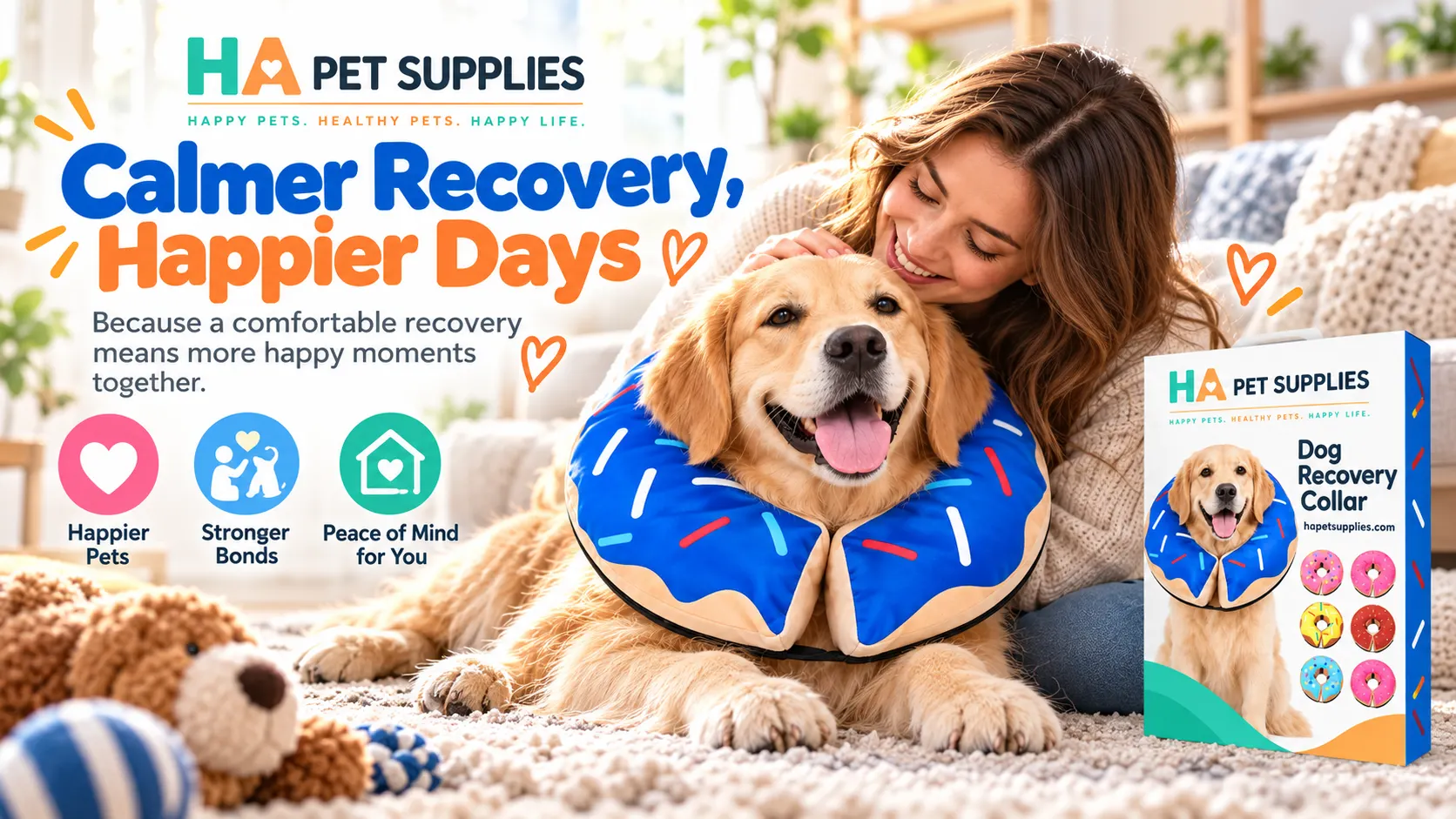
Dog Recovery Collar – A Softer Way to Support Your Dog After Surgery
Dog recovery collar shopping starts with one important question: can your dog stay comfortable while the healing area remains protected?
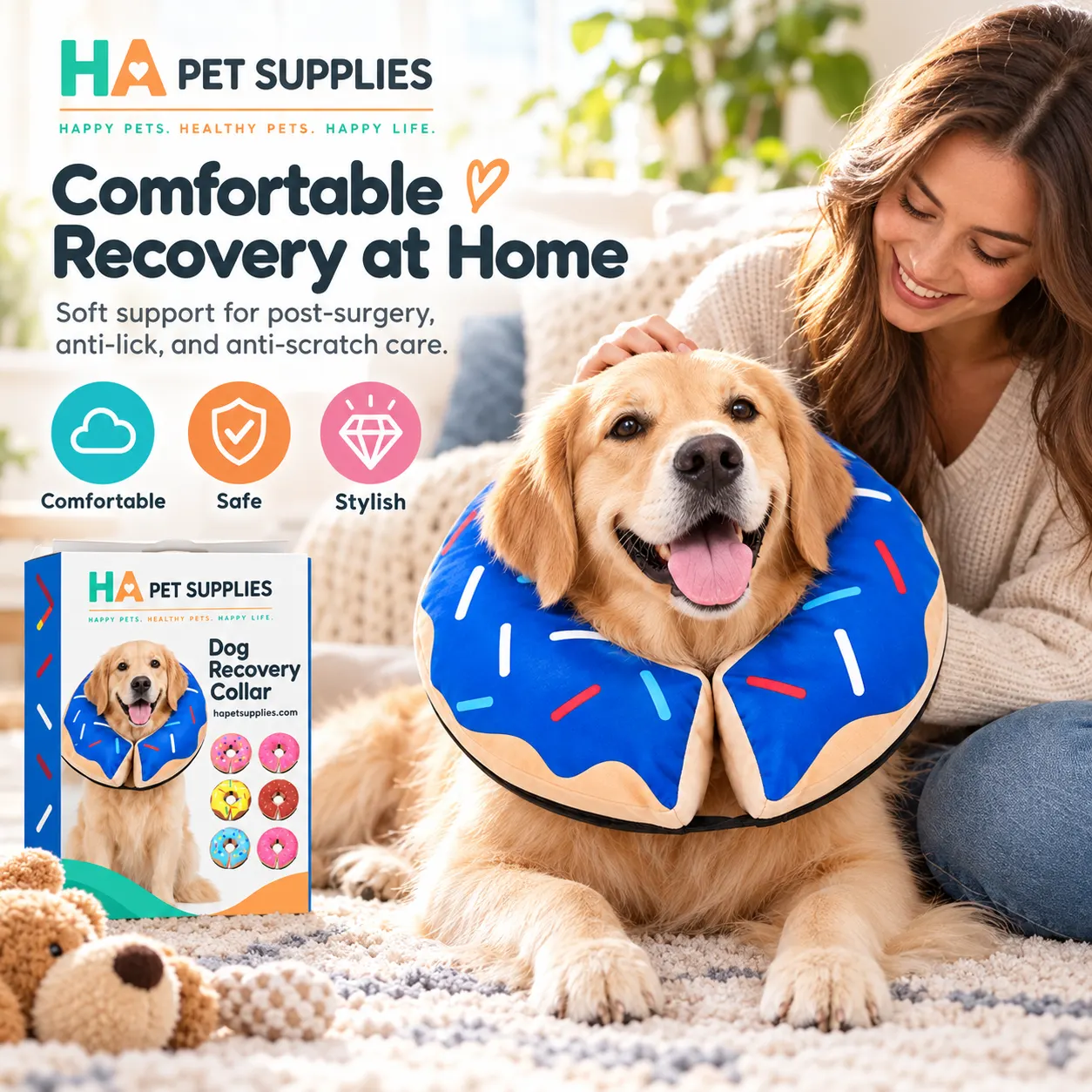
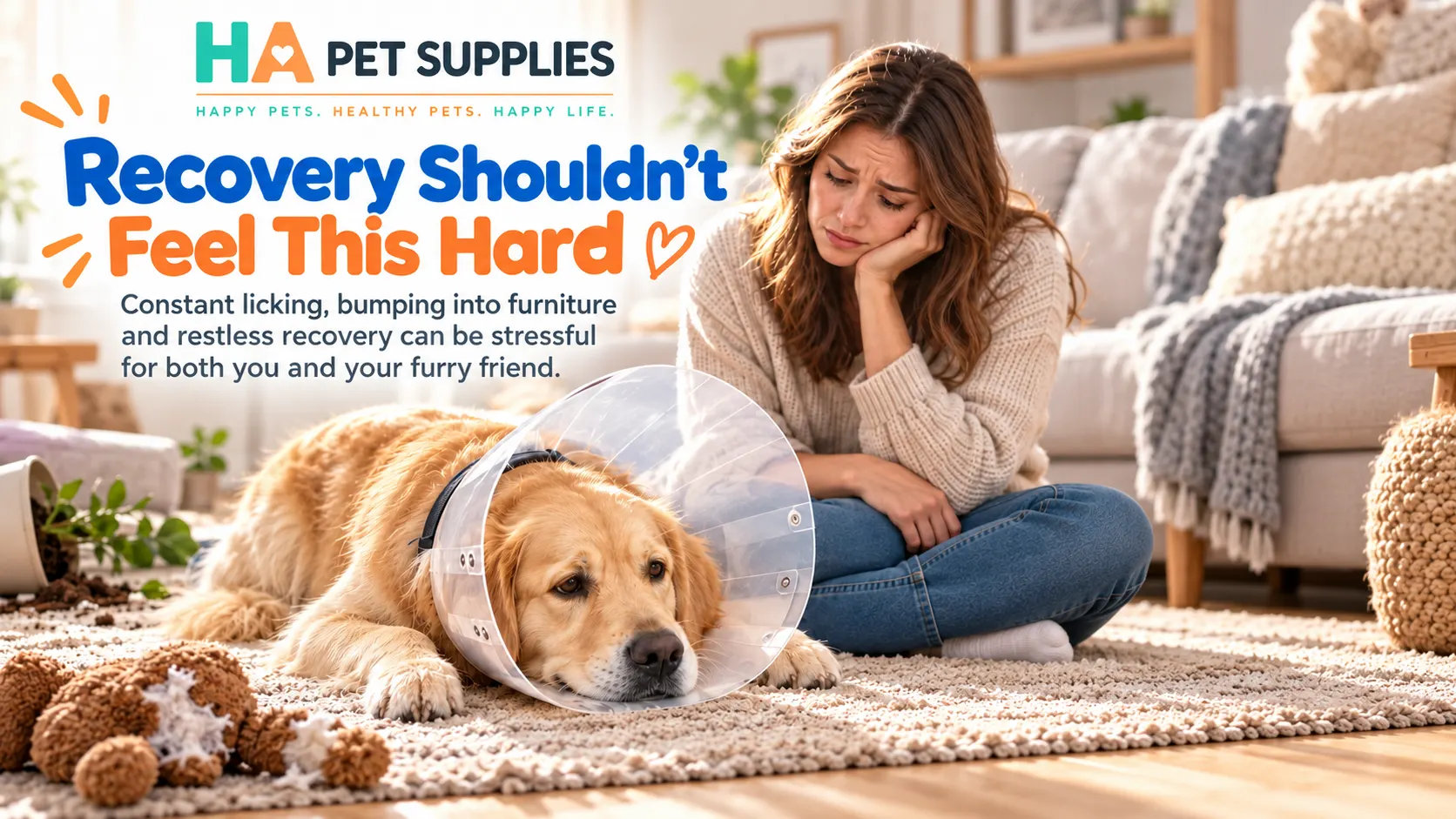
When your dog returns home after surgery, a wound treatment or veterinary procedure, everything can feel unfamiliar. Your pet may be tired, restless or confused by the protective collar around their neck. As a caring owner, you want to make recovery less stressful without compromising the treatment plan.
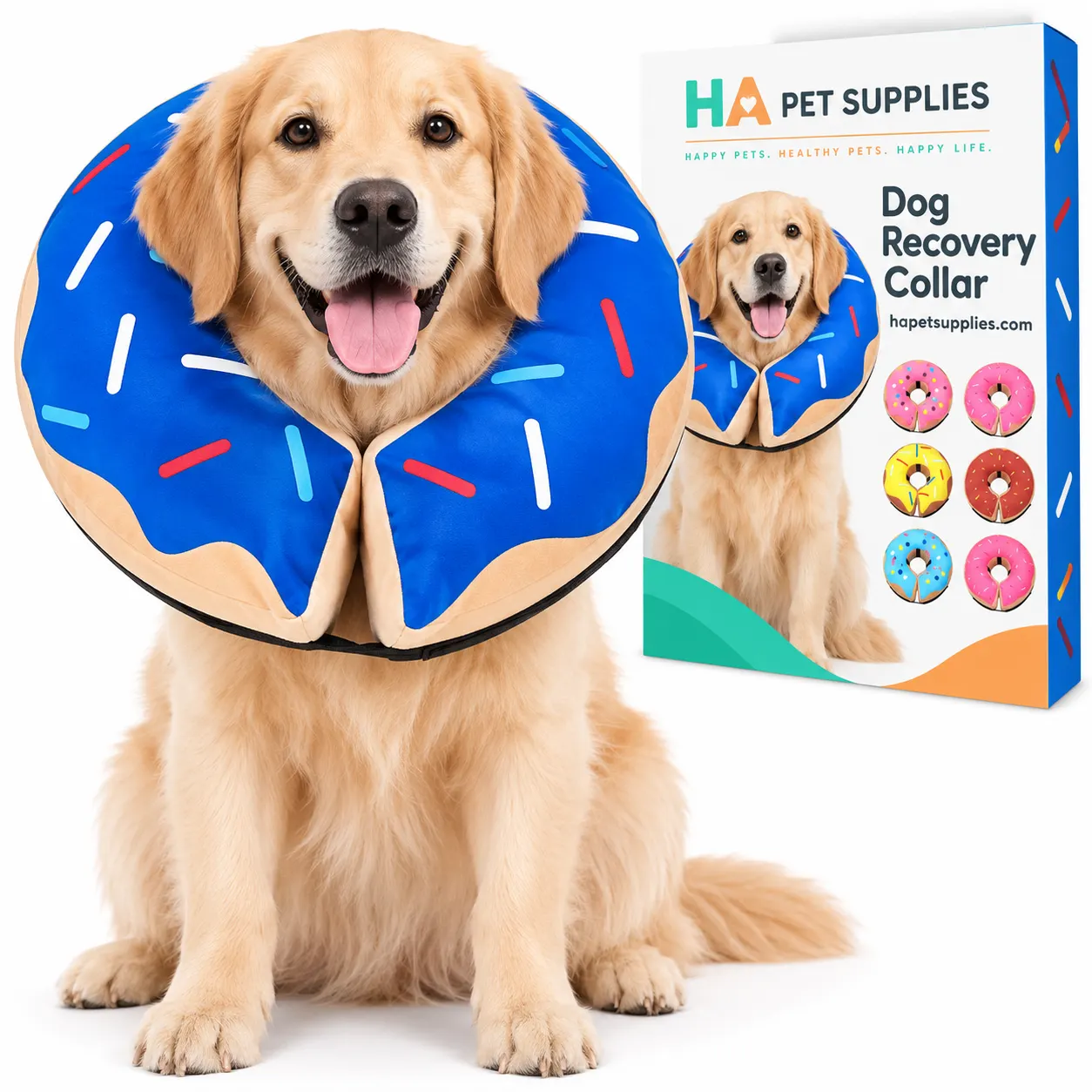
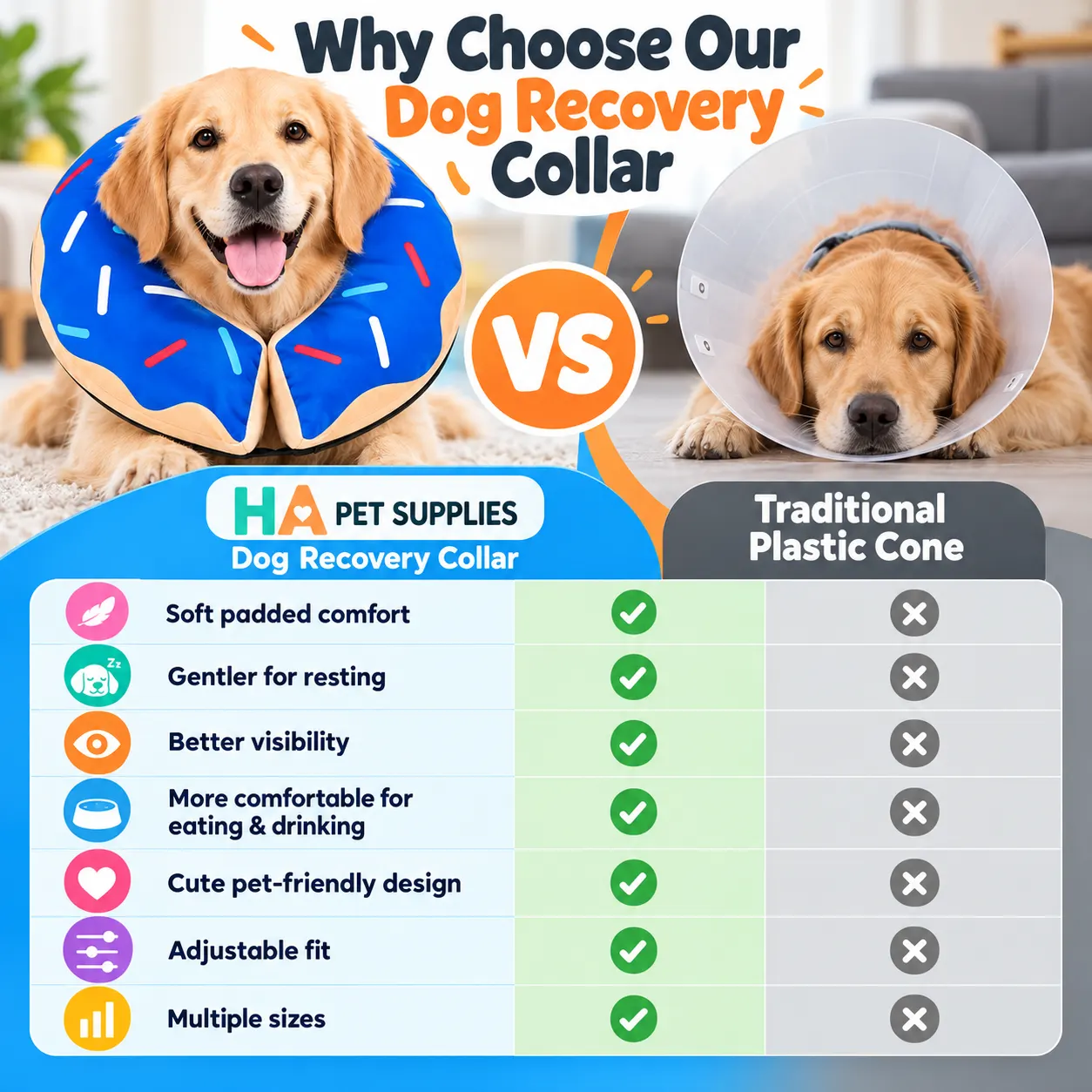
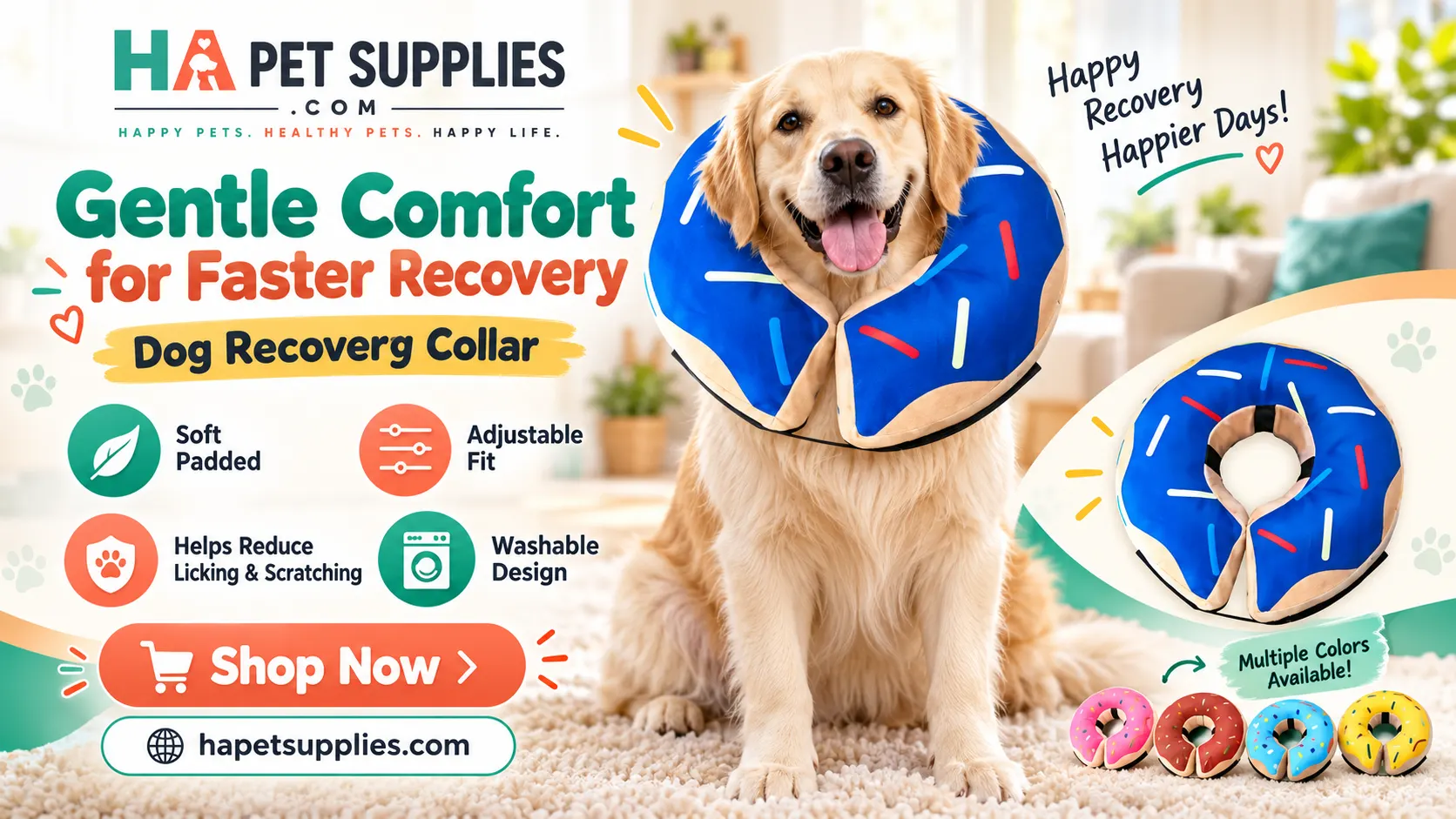
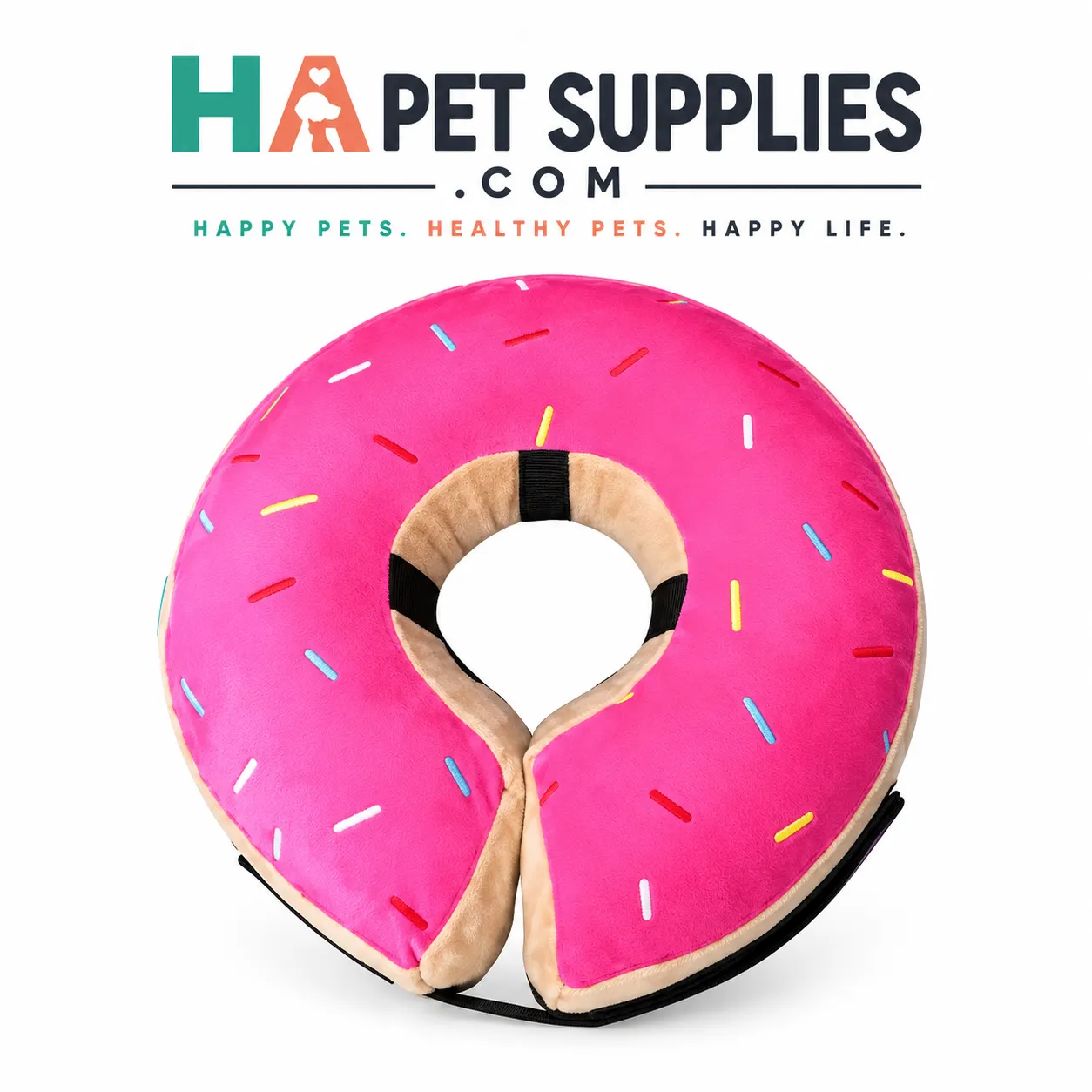
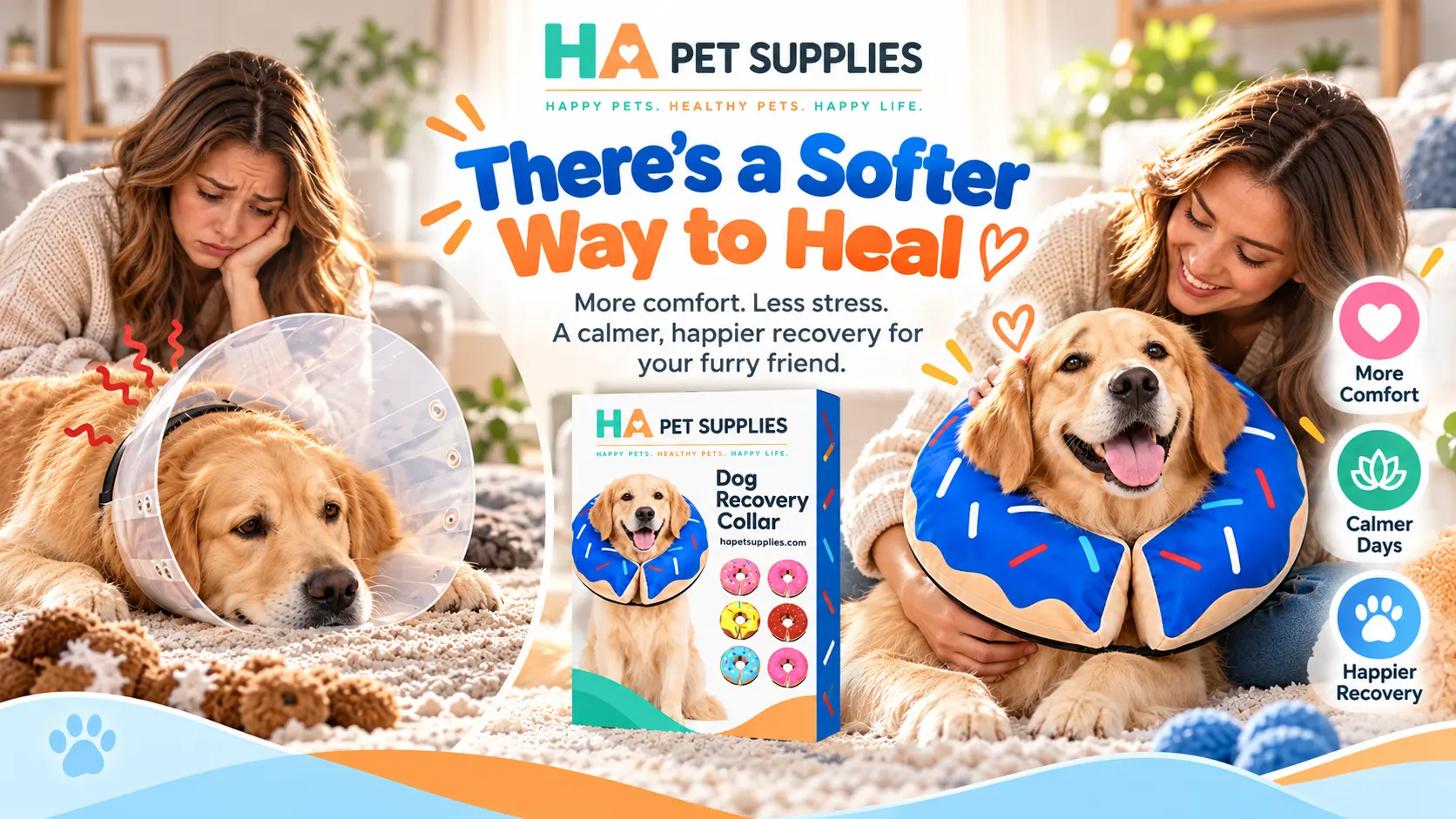
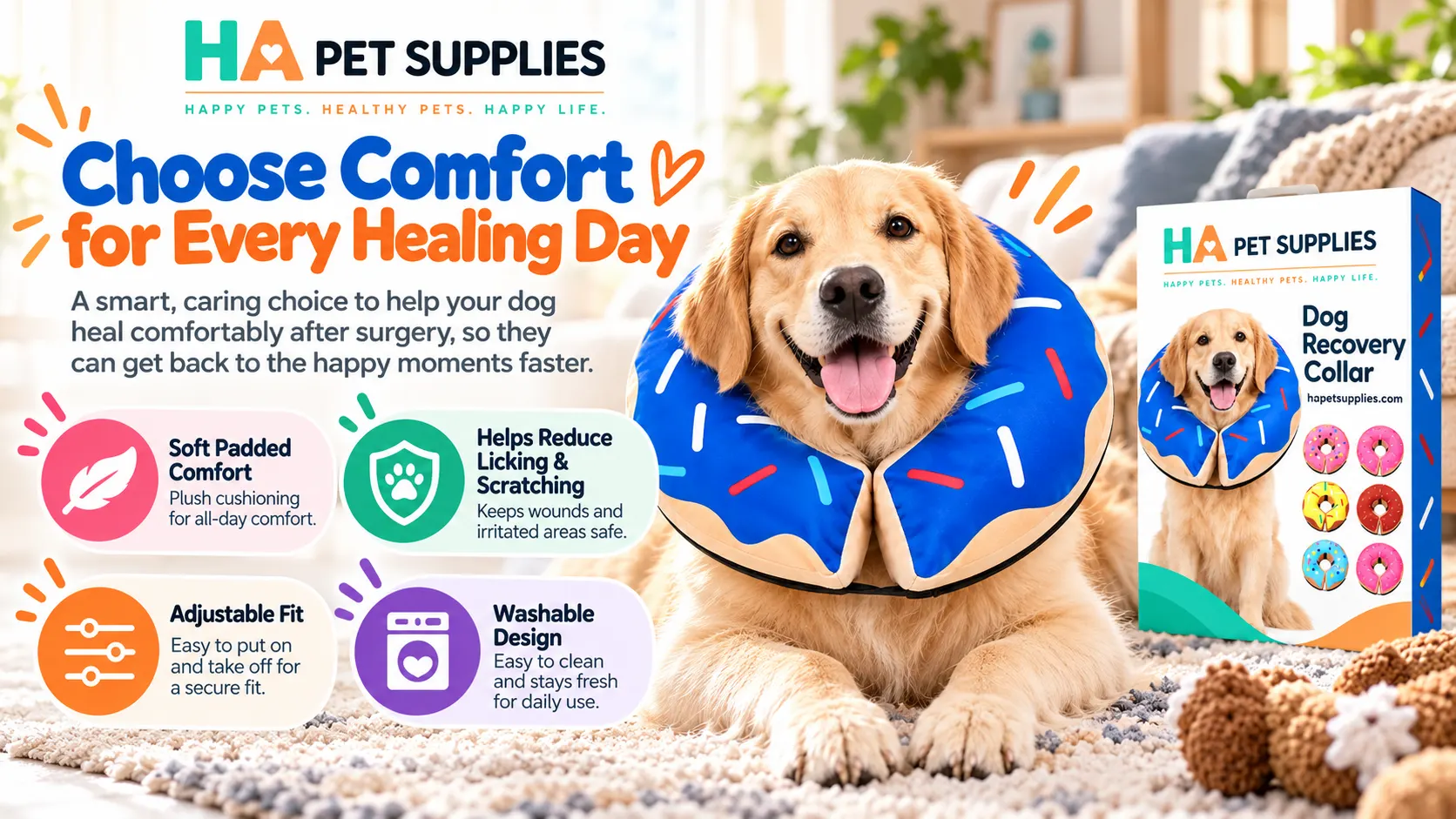
The HA Pet Supplies Dog Recovery Collar offers a colorful, cushioned alternative to a traditional rigid dog cone. Its donut-inspired design rests around the neck and may allow greater freedom of vision, easier movement and a more comfortable place to rest.
Unlike a long Elizabethan collar for dogs, the soft donut design does not extend forward around the entire head. This can be a practical comfort advantage for certain dogs, provided the collar still prevents access to the wound or incision.
Designed with a padded ring, decorative fabric finish and adjustable fastening, this recovery collar for dogs brings a friendlier appearance to a period that can otherwise feel challenging.
Adjustable fastening
Colorful sprinkle patterns
Plastic cone alternative
Comfort focused design
7 Comfort Benefits of the HA Pet Supplies Dog Recovery Collar
A quality dog recovery collar should do more than look appealing. It should fit securely, feel comfortable against the neck and provide suitable protection for the veterinary condition being treated.
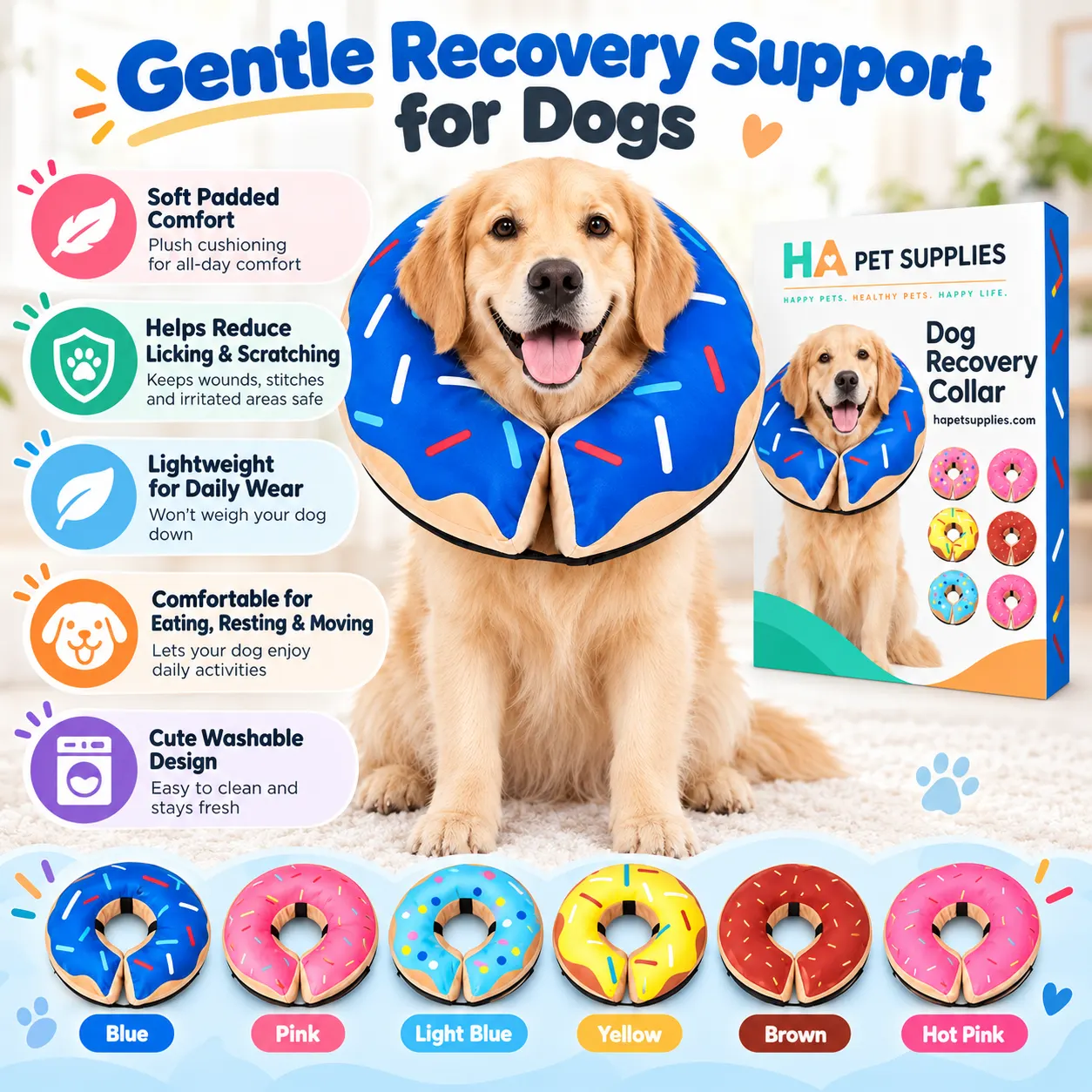
Our donut-style recovery collar focuses on a softer everyday wearing experience. Here are seven reasons some pet owners may prefer it over a traditional rigid cone when their veterinarian agrees that a donut collar is appropriate.
01
Soft Cushioned Construction
The padded ring is designed to feel gentler against the neck than hard plastic edges. Its rounded shape gives the dog a softer surface to lean against while resting.
02
Less Obstructed Vision
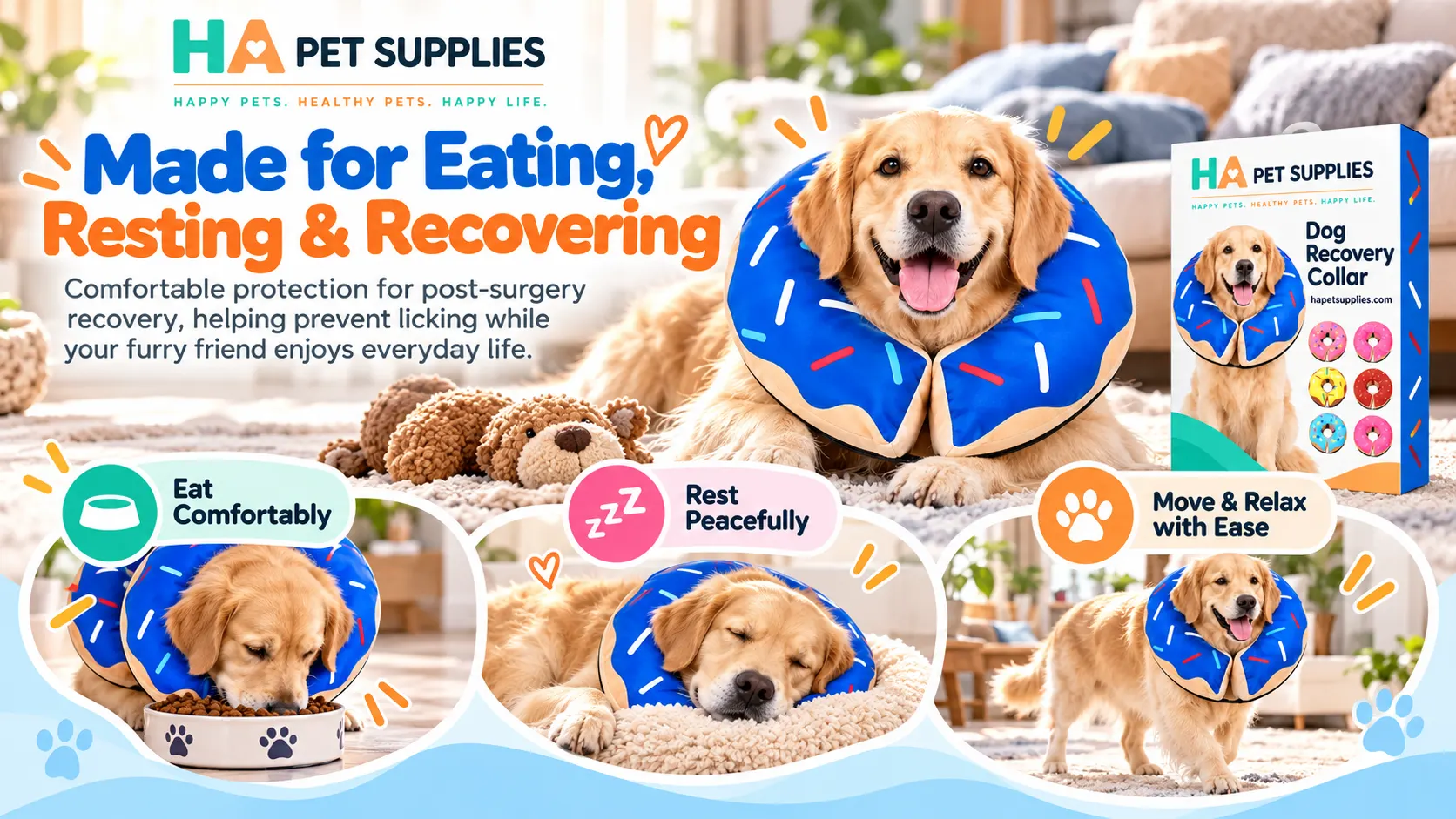
Because the donut remains around the neck rather than projecting forward around the head, many dogs can see their surroundings more naturally.
03
Comfortable Resting
The cushioned design may make lying down and finding a comfortable resting position easier for some dogs during recovery.
04
Potentially Easier Feeding
Some dogs can reach food and water bowls more easily with a donut collar than with a wide plastic cone. Always observe your dog’s actual feeding ability.
05
Adjustable Neck Fastening
The pictured design includes fastening elements to help secure the collar around the neck. Correct fit is important for both comfort and keeping the collar in position.
06
Cheerful Donut Appearance
Playful icing-inspired patterns provide a more colorful alternative to clinical-looking recovery equipment without changing the collar’s protective limitations.
07
Practical Cone Alternative
For appropriate healing locations, the soft collar may offer comfort while limiting certain head and neck movements. It must be checked against the exact wound location.
For a deeper explanation of the differences between protective devices, read our guide to the best dog recovery collar and the differences between donut collars, plastic cones and recovery suits.
Each dog is different. A short-necked breed, a particularly flexible dog or a determined wound licker may need a different style of protective collar. Comfort matters, but effective wound protection must remain the priority.
Dog Recovery Collar Comparison – Soft Donut vs Plastic Cone vs Other Alternatives
There are several popular types of recovery collar for dogs. The best option depends on body shape, wound placement, temperament and veterinary recommendations. The table below compares collar categories rather than claiming every competing product has identical construction or performance.
| Feature | HA Pet Supplies Soft Donut Collar | Other Inflatable Donut Collars | Traditional Plastic Cone | Soft Fabric Cone | Recovery Suit |
|---|---|---|---|---|---|
| Construction | Soft padded donut | Inflatable chamber with fabric cover | Rigid plastic | Flexible cone-shaped fabric | Body-covering garment |
| Neck Comfort | Cushioned design | Depends on inflation and fit | Rigid contact surface | Usually flexible | No neck cone |
| Peripheral Vision | Generally less obstructed | Generally less obstructed | Can be obstructed | Can be obstructed | Generally unobstructed |
| Eating and Drinking | May be easier for some dogs | May be easier for some dogs | May require bowl adjustments | Depends on cone size | Generally unrestricted |
| Protection for Paws and Lower Legs | Often insufficient | Often insufficient | Usually stronger if properly fitted | Variable | Usually insufficient |
| Body Incision Protection | Depends on reach and flexibility | Depends on reach and flexibility | Typically more comprehensive | Depends on rigidity and reach | Covers suitable body areas |
| Air Inflation Required | No, padded construction | Yes | No | No | No |
| Visual Style | Colorful donut patterns | Varies by brand | Usually plain | Varies by brand | Varies by brand |
| Best Consideration | Comfort where protection is verified | Adjustable air-filled option | Maximum reach restriction for many wounds | Flexible cone option | Coverage of selected trunk incisions |
How Does Our Dog Recovery Collar Compare With Similar Donut Products?
Not every donut collar is inflatable. Some contain soft padding, while other models rely on an inner air chamber. The HA Pet Supplies design shown here uses a cushioned fabric construction rather than an advertised inflatable mechanism.
This matters when comparing recovery products. An inflatable collar may offer adjustable firmness but requires air pressure maintenance. A padded design avoids inflation and puncture concerns but does not necessarily offer the same size adjustment or firmness.
Both styles can fail to prevent licking if the dog’s body shape allows it to reach the surgical site. Neither should automatically replace a rigid Elizabethan collar that your veterinarian specifically requires.
Veterinary guidance from VCA Animal Hospitals explains that some dogs can maneuver around softer protective collars. That is why effectiveness should be tested carefully before relying on one for recovery.
HA Pet Supplies Dog Recovery Collar Specifications
Before purchasing a post-surgery collar for dogs, review the product’s construction and available measurements. The following specifications describe the photographed collar. Details that cannot be confirmed visually must be checked against the actual product inventory.
| Specification | Product Information |
|---|---|
| Brand | HA Pet Supplies |
| Product Name | Dog Recovery Collar |
| Product Type | Soft donut-style protective neck collar |
| Shape | Rounded donut with front opening |
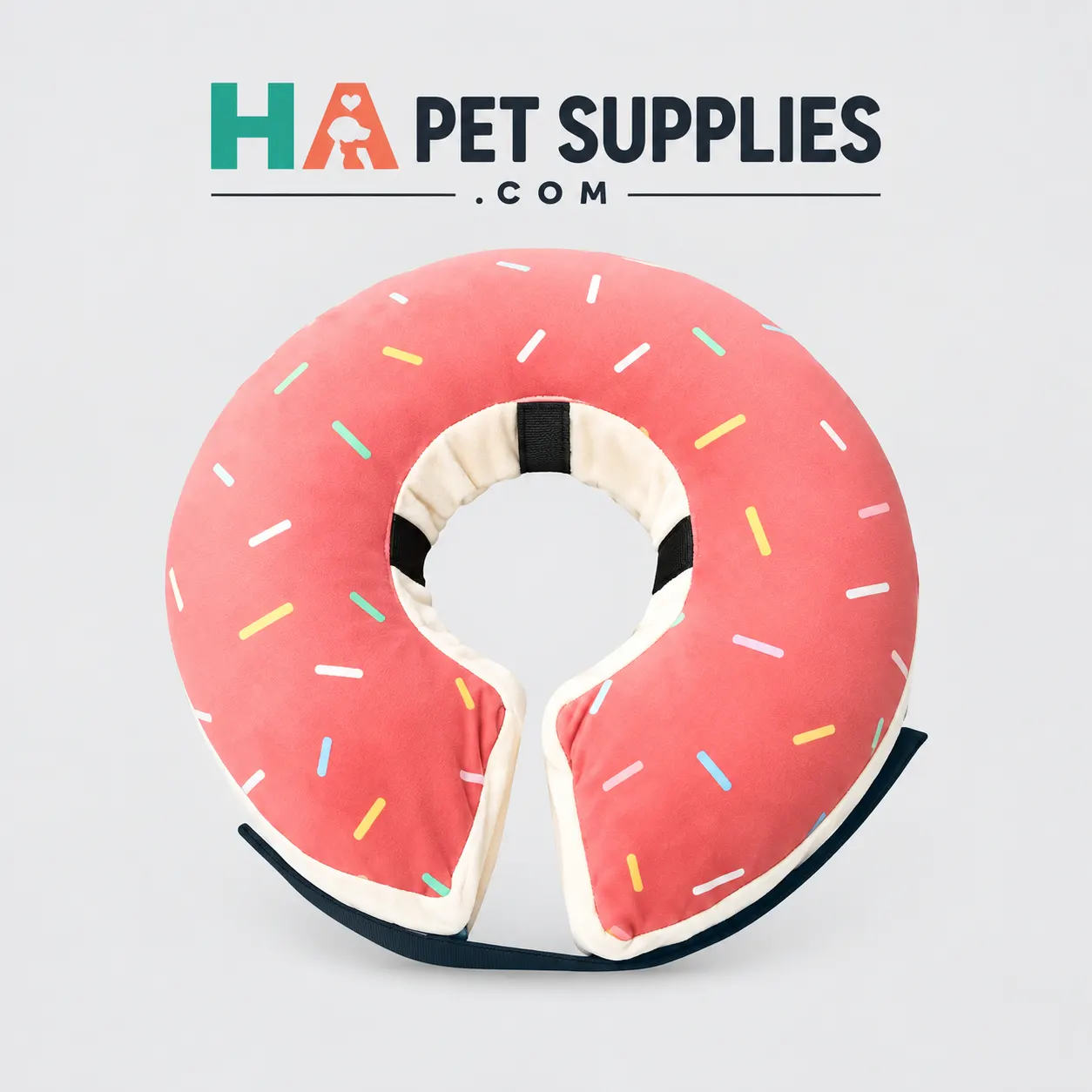
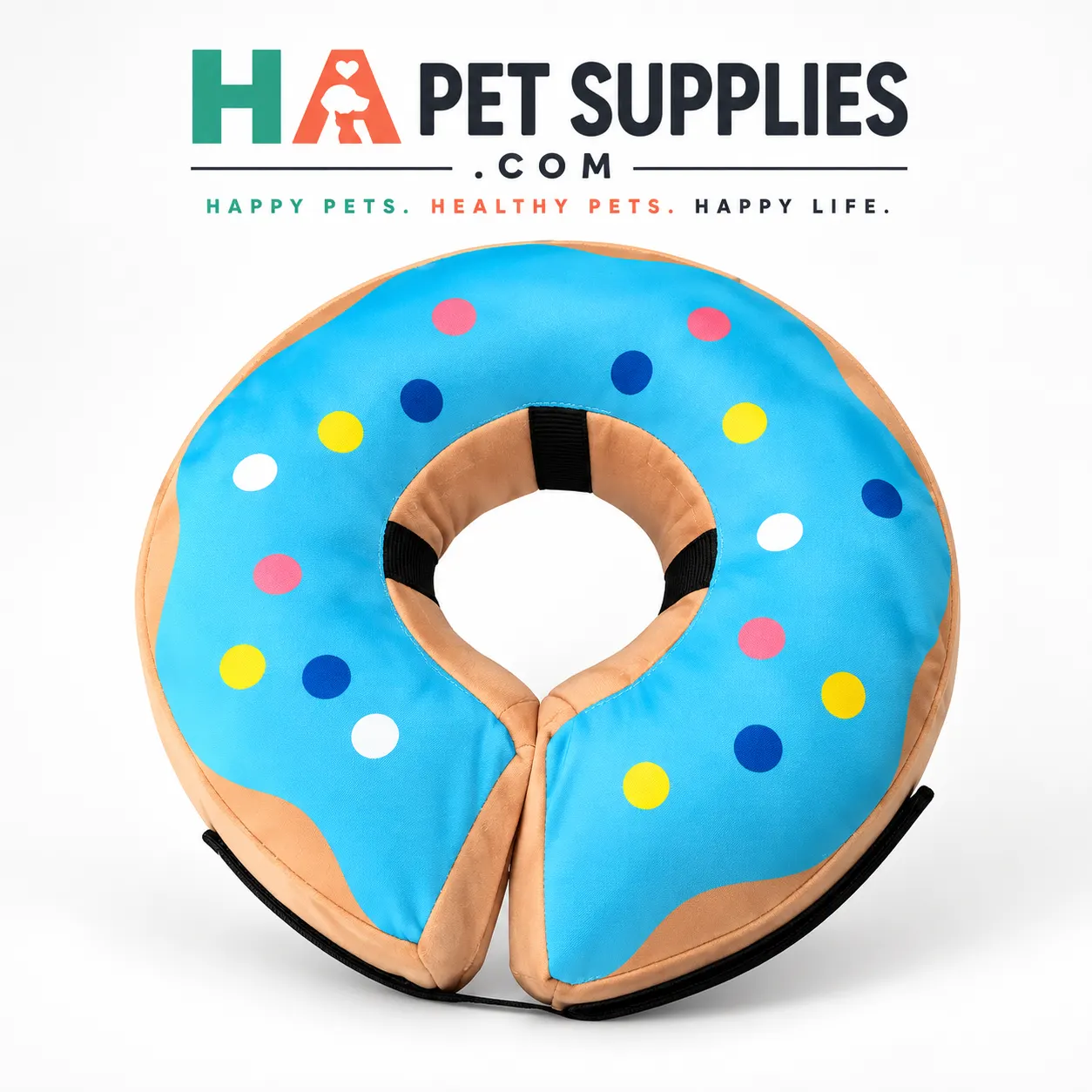
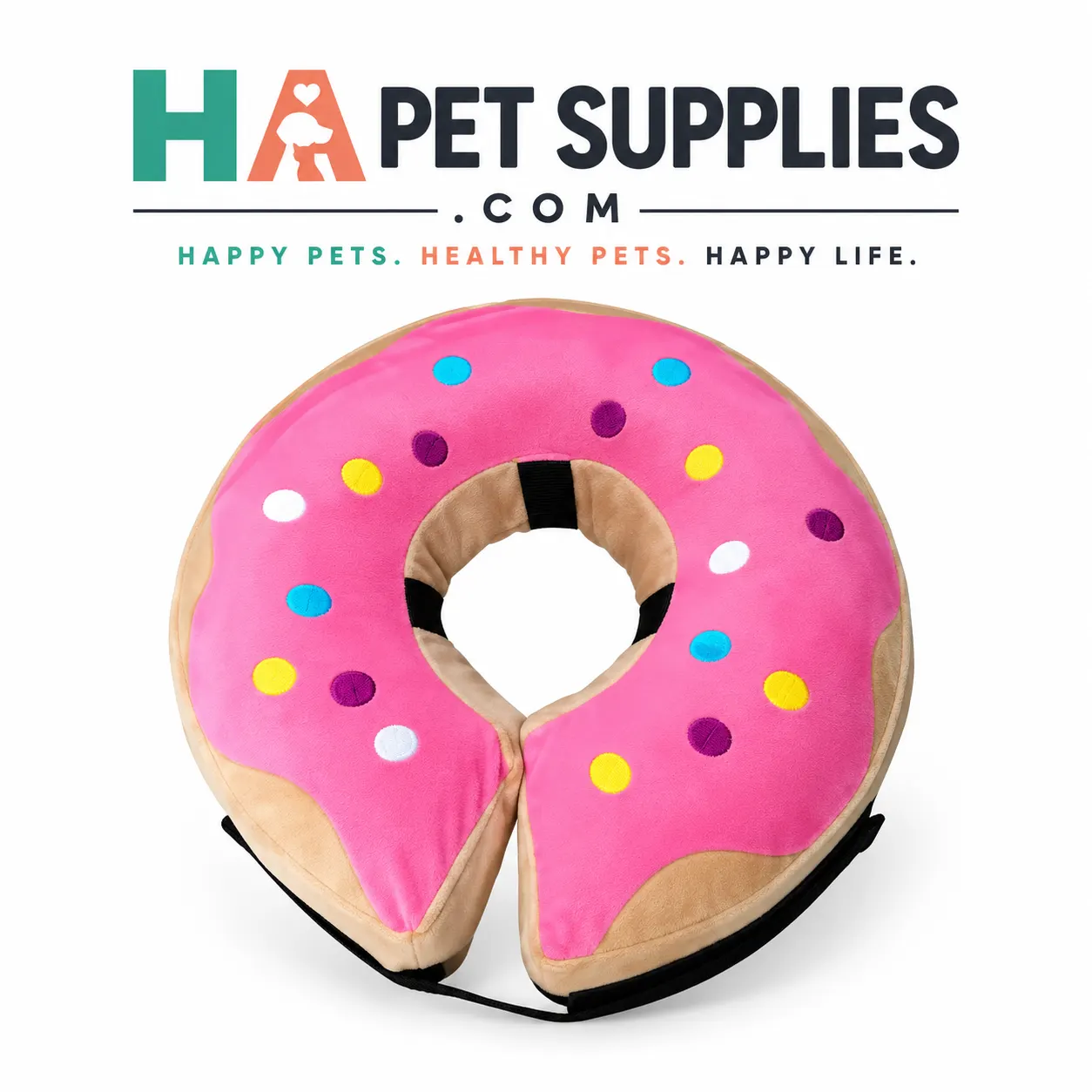
| Design | Decorative icing-inspired finish with colorful sprinkle patterns |
| Construction | Soft padded fabric design |
| Inflatable | Not presented as inflatable |
| Fastening | Visible adjustable black strap elements |
| Neck Lining | Soft-looking cushioned inner ring |
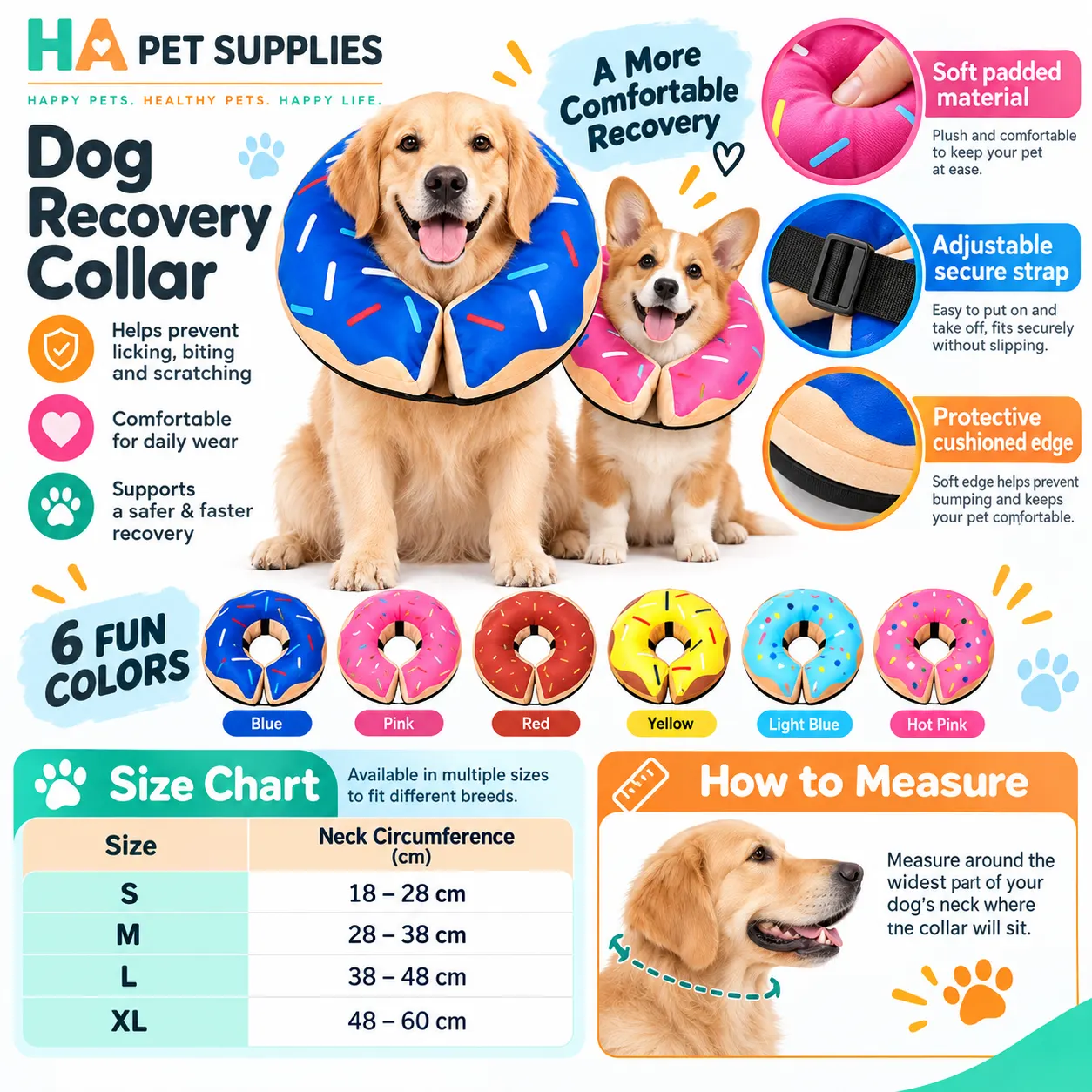
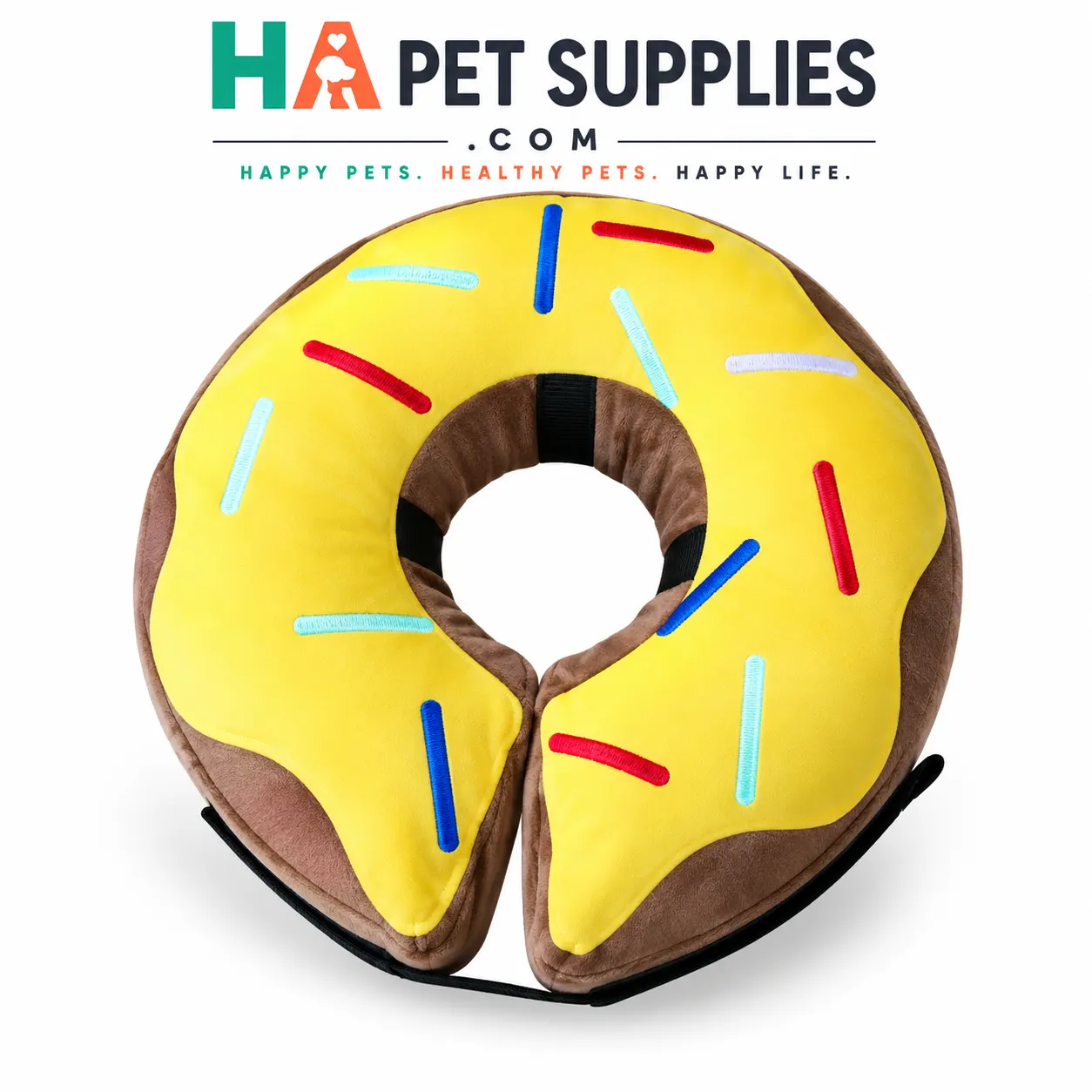
| Color Variations | Pink, blue and yellow decorative options shown |
| Intended Pet | Dogs, subject to correct sizing |
| Potential Application | Selected wound-care or post-surgery situations with veterinary approval |
| Exact Fabric Composition | Confirm with supplier |
| Available Sizes | Confirm stock variations |
| Neck Circumference Range | Confirm for each size |
| Outside Diameter | Confirm for each size |
| Weight | Confirm by size |
| Care Label | Follow verified manufacturer instructions |
| Included Accessories | Confirm package contents |
Exact sizing is especially important because selecting a dog recovery collar according to breed alone may lead to a poor fit. Two dogs of the same breed can have different neck circumferences, flexibility levels and body proportions.
If you need help checking available options, contact HA Pet Supplies before placing an order.
Product Details – A Comfortable Dog Cone Alternative
1. Soft Donut-Shaped Neck Support
The most noticeable feature of the HA Pet Supplies dog recovery collar is its rounded donut silhouette. Instead of forming a tall cone around the dog’s head, the collar creates a padded ring around the neck.
This lower-profile design may be more comfortable for dogs that dislike bumping a plastic cone against furniture or doorways. Dogs may also be able to see more of their surroundings and settle into resting positions without the forward extension of a conventional cone.
However, the same compact shape that improves visibility can reduce the barrier between the dog’s mouth and its body. Owners should not assume that a comfortable collar is automatically a sufficiently protective one.
2. Cushioned Inner Neck Area
The inner opening is lined with a soft-looking fabric surface intended to rest against the neck. Properly fitted padding can reduce contact with rigid edges and create a gentler wearing experience.
Check the skin under the collar regularly for redness, rubbing, trapped moisture or irritation. If the dog has a sensitive neck or an existing skin condition, ask your veterinarian whether this particular material and design are appropriate.
3. Adjustable Fastening for a Secure Fit
The product photographs show black fastening elements around the collar. These help position the donut around the neck, but the actual fastening method and adjustment range should be confirmed from the supplied item.
A collar that is too loose can slip off or shift out of position. A collar that is too tight may cause discomfort or interfere with normal breathing or swallowing.
As a general starting check, the fastening should allow approximately two fingers between the neck and the securing area, unless the product or veterinarian specifies otherwise. This is not a substitute for checking that the collar remains secure and does its job.
4. Multiple Colorful Donut Designs
Recovery products are often plain or clinical in appearance. Our decorative donut collar provides a friendlier visual style while keeping the practical purpose of the product central.
The pictured collection includes bright pink, blue and yellow styles with sprinkle-inspired detailing. Exact patterns, available colors and sizes depend on current inventory.
The cheerful appearance is intended for owners who enjoy expressive pet accessories. It should never be the deciding factor when another protective device offers better wound coverage.
5. A Practical Accessory for Selected Recovery Needs
A soft recovery collar for dogs may be useful in certain supervised healing scenarios or where a veterinarian has already approved a donut-style barrier.
It may be considered for some areas on the upper body that the pet cannot reach while wearing the collar. By contrast, dogs can frequently still reach their paws, rear legs or tail while wearing a neck donut.
If your dog has received stitches, undergone surgery or developed a wound, consult the treating veterinarian before switching from the original protective device.
For additional pet accessories and everyday essentials, explore our dog supplies collection, which includes practical products for comfort, home care and daily routines.
Is a Soft Dog Recovery Collar Right for Your Dog?
Choosing a dog cone after surgery involves balancing two separate needs: preventing wound access and helping the dog tolerate the device. The first requirement is non-negotiable because even brief licking may disrupt healing.
When a Donut Collar May Be Considered
- Your veterinarian has approved a soft neck collar.
- The collar prevents your dog from reaching the exact healing area.
- Your dog can breathe, swallow and move comfortably.
- The collar remains secure without excessive pressure.
- Your dog tolerates the design without repeated attempts to remove it.
- The wound remains protected throughout normal resting and movement.
When a Different Device May Be Needed
- Your dog can still lick or bite the wound.
- The incision is on a paw, lower leg or tail.
- The injury involves the eyes, ears or face.
- Your veterinarian has required a rigid protective cone.
- Your dog bends around the collar easily.
- The device slips, rubs or interferes with normal breathing.
Why Dog Body Shape Matters
One of the most common misunderstandings about a donut collar is that correct neck sizing automatically means complete wound protection. In reality, dogs can move their heads and bodies in very different ways.
A flexible dog with a long body may reach a rear-leg incision even with a thick collar around its neck. A less flexible dog may be unable to reach that same area. This difference means that collar suitability cannot be determined by neck measurements alone.
The ASPCA guidance on preventing harmful licking includes different types of recovery devices, reinforcing the importance of choosing protection appropriate to the pet’s actual needs.
For more help, see our article about choosing the right dog recovery collar size and style.
4-Step Dog Recovery Collar Fit and Safety Check
A simple visual routine can help owners approach recovery collar fitting systematically.
MeasureMeasure the dog’s neck and compare it with the verified size chart.
FastenSecure the collar snugly without excessive neck pressure.
Test ReachObserve whether the dog can reach the wound during natural movement.
MonitorCheck comfort, skin contact, feeding and continued wound protection.
If the dog reaches the wound at any stage, the donut collar is not providing adequate protection and another veterinarian-approved device is required.
HA Pet Supplies Dog Recovery Collar User Manual
Product: HA Pet Supplies Soft Donut Dog Recovery Collar
Purpose: A cushioned neck collar intended as a potential alternative to certain traditional recovery cones when the treating veterinarian confirms it provides sufficient protection.
Step 1 – Inspect the Product Before Use
Remove the collar from its packaging and inspect the fabric, seams, padding and fastening components. Make sure there are no loose pieces, damaged sections or exposed parts that could irritate your dog.
If the collar is torn, excessively compressed or unable to fasten securely, do not use it. A damaged recovery collar may fail to remain in position or could become uncomfortable during extended wear.
Step 2 – Measure Your Dog’s Neck
Use a flexible measuring tape around the area where the collar will rest. Record the measurement without pulling the tape tightly against the dog’s skin.
Compare that number with the actual HA Pet Supplies size chart on the product variation or packaging. Do not estimate size based only on age, weight or breed.
Step 3 – Open the Collar Fastening
Locate the adjustable closure. Release it carefully and open the collar enough to position it around your dog’s neck.
Handle the straps gently to avoid pulling threads or damaging the padded fabric. If your dog becomes nervous, allow time to smell and investigate the collar before continuing.
Step 4 – Position the Donut Around the Neck
Place the padded ring around the neck so that it rests evenly. Ensure the inner lining sits flat rather than folding or bunching underneath.
Check that the product does not press against the ears, restrict normal head positioning or interfere with breathing. The rounded portion should sit comfortably without sliding excessively.
Step 5 – Secure the Adjustable Closure
Fasten the collar according to its supplied mechanism. Adjust it gradually until it remains in place during gentle movement without squeezing the neck.
Check the fit with your fingers and observe the dog’s breathing, swallowing and general comfort. If the collar slips off easily, do not treat the fit as adequate simply because it feels soft.
Step 6 – Test Whether the Wound Is Protected
This is the most important step. Allow the dog to move naturally while you watch carefully. Observe whether the dog attempts to turn toward, lick, scratch or chew the healing area.
Do not encourage the dog to contact the wound or remove dressings as a test. Instead, use normal movement and careful observation to confirm the collar blocks access.
If the dog can reach the wound, stop using the donut as the only protective device and contact the veterinarian. Do not rely on constant owner intervention as a substitute for effective protection.
Step 7 – Monitor Eating and Drinking
Offer water and food in a quiet location. Observe whether the dog can approach the bowls comfortably while wearing the collar.
Some dogs may benefit from a change in bowl height or position. Do not force the dog’s head into a bowl, and do not leave the dog without access to water.
If feeding is difficult, ask your veterinarian for instructions about supervised removal and immediate replacement of the protective device. Do not make unsupervised collar breaks part of the routine.
Step 8 – Continue Daily Comfort Checks
Look at the skin around the neck and the condition of the collar each day. Check for rubbing, damp fabric, unusual odors or damaged fasteners.
Also follow your veterinarian’s instructions for examining the healing area. A collar is only one part of proper post-operative care and does not replace wound inspection, medication or activity restrictions.
Step 9 – Clean and Store the Collar
Follow the care instructions supplied with the product. If machine washing or removable covers have not been confirmed, do not assume these features are supported.
For surface dirt, use the cleaning approach approved for the actual fabric and allow the collar to dry fully before reuse. Never expose your dog to a damp or irritating product.
While the collar is being cleaned, maintain appropriate wound protection according to the veterinarian’s instructions. Store the collar in a clean, dry location away from chewing pets.
Step 10 – Stop Use Only When Approved
Continue protective-collar use for the period specified by the veterinarian. The fact that a dog appears happy or that the wound looks improved does not necessarily mean the skin has healed sufficiently.
Some recovery periods are relatively short, while others require longer protection. Your veterinarian’s instructions take precedence over general timelines or recommendations found online.
How to Measure Your Dog for the Right Recovery Collar Size
Finding the correct dog recovery collar size is essential because a loose collar can move out of place, while an overly tight collar may cause pressure or discomfort.
Measure Neck Circumference
Wrap a flexible measuring tape around the base of your dog’s neck, at the point where the recovery collar will sit. Keep the tape comfortably snug and record the measurement in centimeters or inches.
If your dog has thick fur, measure without compressing the coat excessively. The goal is to estimate the neck circumference as it will be when the collar is worn.
Check the Collar’s Inner Opening
Compare your measurement against the manufacturer’s stated minimum and maximum neck range. Make sure the actual product has enough adjustment to secure comfortably.
When a measurement falls near the boundary between sizes, request the exact inner dimensions and overall thickness before choosing. Do not automatically size up or down without considering how the collar will stay secured.
Check the Outside Diameter
A thicker donut may limit the dog’s ability to turn its head toward certain body areas. However, outside diameter alone cannot guarantee that the wound will be inaccessible.
The ideal size needs both a comfortable neck fit and suitable physical restriction for the exact wound location. A correctly fitted collar that fails the reach test is still unsuitable.
Observe Your Dog Wearing the Collar
After fitting, watch the dog stand, sit, lie down, turn and approach its bowls. Check that the collar does not slip over the head, twist excessively or cause repeated rubbing.
Do not leave a newly fitted donut collar as the dog’s sole post-operative protection until you have confirmed with the veterinarian that the design is suitable and that your dog cannot reach the treated area.
Dog Recovery Collar After Surgery – A Complete Daily Care Routine
A dog recovery collar is only one element of post-operative care. Successful recovery also depends on appropriate rest, wound protection, hydration, medications and following the treating veterinarian’s discharge instructions.
Even a small amount of licking or chewing may irritate healing tissue, introduce bacteria or interfere with stitches. This is why a protective collar must work consistently rather than simply making the dog look comfortable.
Keep the Dog’s Recovery Area Quiet
Prepare a comfortable resting place away from excessive noise, rough play and household traffic. Use bedding that allows the dog to rest without pressing the collar awkwardly against hard surfaces.
Many dogs feel uncertain after surgery. A predictable routine and calm environment can make recovery less stressful. Keep food and water accessible and avoid unnecessary movement between different rooms.
Follow Activity Restrictions
Even if your dog seems energetic, running and jumping may put tension on healing tissue. Follow the exact walking and exercise restrictions given by your veterinarian.
The ASPCA post-surgery care instructions explain why licking prevention and appropriate activity restrictions are important during healing.
Check the Healing Site as Directed
Examine the incision according to your veterinarian’s recommended schedule. Look for changes in redness, swelling, discharge, odor or the appearance of the stitches.
Mild post-operative changes may occur, but increasing inflammation, bleeding, wound separation or unusual discharge warrants prompt veterinary assessment.
Never apply household ointments, antiseptics, powders or bandages to the wound unless your veterinarian has specifically approved them.
Keep the Protective Device on as Prescribed
Some dogs tolerate a recovery collar well during the day but attempt to remove it at night. Others begin licking when they become bored or when household supervision decreases.
For that reason, do not assume the collar is needed only when the dog is active. Your veterinarian may direct you to maintain continuous protection, including during sleep.
Our guide, Dog Recovery Collar After Surgery – How Long Should a Dog Wear a Cone?, explains why the recovery timeline varies and what owners should ask before removing a collar.
Make Meals More Comfortable
A dog wearing a plastic cone may struggle to reach a deep or narrow bowl. A donut-style dog recovery collar may reduce that interference, although individual results vary.
Try positioning the bowl where the dog can reach it without awkward neck movement. Keep meals consistent with the veterinarian’s dietary recommendations, especially immediately after anesthesia or surgery.
If the dog refuses food, cannot drink or appears nauseated, do not assume the collar is the only cause. Contact the veterinary team for advice.
Help Your Dog Sleep Peacefully
Post-surgery rest is important, but some dogs initially resist sleeping while wearing unfamiliar equipment. Introduce the collar calmly and ensure the sleeping area has enough space for comfortable turning.
The donut design may act as a soft cushion around the neck, but it is not a substitute for proper bedding and must never obstruct breathing or create pressure on the throat.
For practical comfort tips, read Dog Hates Recovery Collar – 9 Easy Ways to Help Your Dog Sleep, Eat and Feel Comfortable.
Recognize Signs That Require Veterinary Help
Contact your veterinarian promptly if the dog develops worsening incision redness, discharge, bleeding, unusual swelling, persistent vomiting, difficulty eating or drinking, or behavior that appears significantly different from the expected recovery pattern.
Seek urgent veterinary care for breathing difficulty, collapse, severe bleeding or other serious symptoms. The collar itself should be removed or adjusted immediately if it is restricting breathing, while keeping the dog from harming the wound and obtaining professional guidance.
PetMD’s dog surgery aftercare guide provides additional information about common recovery questions and warning signs.
Do Not Confuse Comfortable With Fully Protected
One of the biggest mistakes owners make is choosing recovery equipment solely because the pet appears happier in it. Your dog may be more relaxed in a donut collar precisely because it allows more head movement.
That freedom is helpful only if it does not allow the dog to contact the affected area. If the dog can reach stitches, dressings or wounds, the collar needs to be replaced with a more effective protective option.
Protective collars should be chosen based on both comfort and reach restriction. Veterinarians may recommend a rigid cone, soft cone, donut collar or recovery garment depending on the specific clinical situation.
Why Choose HA Pet Supplies for Your Dog Recovery Collar?
At HA Pet Supplies, we believe a pet’s recovery experience should be approached with compassion, practical product choices and informed care. When selecting a dog recovery collar, you deserve clear information about what a product can do and where its limitations begin.
Our soft donut collar combines an appealing appearance with a comfortable padded design. It is intended for pet owners looking for a softer alternative to a dog cone where that style of protection is appropriate.
01
Comfort Focused
We offer a cushioned donut collar designed to provide a softer neck contact surface than a traditional rigid cone.
02
Distinctive Product Design
Our colorful donut-inspired patterns give pet owners an attractive option for recovery equipment.
03
Practical Product Information
We provide fitting guidance, comparison details and important safety information to help buyers make informed decisions.
04
Variety of Pet Essentials
Explore everyday accessories and pet-care supplies through our growing online product collection.
05
Support Before Purchase
Customers can contact our team with questions about product options, availability and ordering.
06
Pet Centered Approach
We encourage responsible product use, proper measurements and veterinary guidance when selecting recovery equipment.
Choosing HA Pet Supplies means choosing a brand that values clear product information and thoughtful everyday pet accessories. Our aim is to help you find a product that suits your dog’s needs without making unrealistic promises about medical results.
Browse our online pet supplies shop to explore additional accessories, or visit our pet care blog for practical guides on comfort, training, grooming and recovery-related product decisions.
What Makes This Dog Recovery Collar Different?
The HA Pet Supplies collar shown in our collection has a distinctive icing-and-sprinkle appearance combined with a padded donut construction. Unlike inflatable donut collars, this photographed product is not described as requiring an air pump or manual inflation.
The rounded shape is designed to sit around the neck rather than enclosing the head. This may allow easier visibility and more comfortable resting for dogs that tolerate the design.
We also recognize that no single recovery collar is best for every dog. A long Elizabethan collar may be essential following some procedures, especially when reliable protection from licking or scratching is required.
We encourage customers to discuss wound location and protective needs with their veterinarian before purchasing a collar for post-operative use.
Dog Recovery Collar FAQs – 15 Common Questions Answered
These frequently asked questions address the concerns pet owners often have when considering a soft recovery collar for dogs after surgery or during wound treatment.
1. What is a dog recovery collar?
A dog recovery collar is a protective device used to restrict access to wounds, incisions or treated areas. Common options include rigid Elizabethan collars, soft fabric cones, padded donut collars and inflatable neck collars. The most suitable design depends on your dog’s medical needs and ability to reach the affected area.
2. Is a donut collar better than a traditional dog cone?
A donut collar may be more comfortable for some dogs because it is softer and generally obstructs less of their peripheral vision. However, a traditional rigid cone is often more effective at preventing access to wounds, particularly on the paws or legs. The best choice is the device that offers adequate protection for your dog’s specific condition.
3. Can my dog wear this recovery collar after surgery?
Possibly, but only when the treating veterinarian approves the design. A soft dog recovery collar may be appropriate for selected incision locations, but some post-surgical wounds require a rigid cone. Never replace prescribed protective equipment without checking that the alternative offers equivalent protection.
4. Can dogs sleep while wearing a soft recovery collar?
Many dogs can sleep in a correctly fitted soft donut collar. Its padding may provide a gentler resting surface, but the collar must not interfere with breathing or create neck pressure. If continuous protection is prescribed, the chosen device needs to remain effective while the dog sleeps.
5. Can a dog eat and drink while wearing this collar?
Some dogs find eating and drinking easier with a donut collar than with a large plastic cone. This depends on the dog’s size, bowl placement and collar dimensions. Always monitor feeding and make adjustments according to your veterinarian’s instructions.
6. Is the HA Pet Supplies dog recovery collar inflatable?
The product shown is a soft padded donut design and is not advertised as inflatable. If you specifically require an inflatable dog recovery collar, confirm the product’s internal construction before ordering.
7. How do I choose the correct collar size?
Measure your dog’s neck circumference with a flexible measuring tape. Compare the result with the verified size chart for the available product variations. Also consider the collar’s outside diameter, the dog’s body shape and whether the collar effectively prevents reaching the wound.
8. How tight should a dog recovery collar be?
The collar should fit securely without squeezing the neck. A general starting check is enough space for approximately two fingers beneath the fastening, followed by confirmation that the collar cannot slip off and does not interfere with breathing or swallowing. Always follow the manufacturer’s fitting instructions.
9. Can a donut recovery collar stop a dog licking its paws?
Not reliably. Many dogs can reach their paws or lower legs while wearing a donut collar. A longer, properly fitted Elizabethan collar is frequently required for these areas. Contact your veterinarian if your dog can still reach the injured site.
10. How long should a dog wear a recovery collar after surgery?
The duration depends on the surgical procedure, incision location, healing progress and veterinarian’s instructions. Some routine procedures require protection for approximately 7 to 14 days, but other conditions require longer. Follow the individualized discharge plan rather than removing the collar based on appearance alone.
11. Can I remove the dog cone during meals?
Only when your veterinarian approves. Some dogs need temporary supervised removal or changes to bowl height, but removing the collar may allow immediate licking of the incision. If removal is permitted, maintain direct supervision and replace the protective device immediately afterward.
12. What should I do if my dog hates wearing a recovery collar?
Check the fit, introduce the collar calmly and provide a quiet resting space. You can use gentle encouragement and rewards when appropriate. If your dog continues to panic, cannot settle or repeatedly removes the collar, contact your veterinarian about a suitable alternative. Do not leave the wound unprotected.
13. Is a soft recovery collar safe for every dog breed?
No single recovery collar is ideal for every breed or body shape. Neck size, muzzle length, flexibility and wound location all affect protection. A dog’s ability to reach the affected area matters more than breed labels or decorative appearance.
14. How do I clean the HA Pet Supplies donut collar?
Follow the care label supplied with the product. Exact washing permissions and fabric composition should be confirmed before cleaning. Inspect the collar regularly and avoid leaving damp, damaged or contaminated material against your dog’s skin.
15. Where can I buy the HA Pet Supplies dog recovery collar online?
Visit the HA Pet Supplies online shop to review available products and ordering options. For questions about collar styles, sizing or availability, use our Request a Quote page or contact our support team.
5 Things to Check Before Buying a Dog Recovery Collar Online
Buying recovery equipment online can be confusing because many collars look similar while providing different levels of protection. Before deciding which product to purchase, take a few minutes to review these important details.
1. Confirm the Recovery Purpose
Start with the location of the wound, stitches or treated area. A collar suitable for one type of recovery may be completely unsuitable for another.
Ask your veterinarian whether a soft donut design provides enough restriction. If the original discharge instructions require a rigid cone, do not assume that a softer alternative is interchangeable.
2. Compare the Neck Measurements
Look for a clear size chart showing the neck circumference range for each variation. Measure your dog’s neck rather than selecting a size using approximate breed recommendations.
If a listing does not provide specific measurements, contact the seller. Ordering without reliable sizing information can result in discomfort, slipping or inadequate wound protection.
3. Review the Construction
Understand whether the collar is padded, inflatable or formed using another internal support material. These designs can look similar in photographs but require different handling and maintenance.
For example, an inflatable collar may require air adjustment while a padded collar relies on its existing structure. The HA Pet Supplies dog recovery collar shown on this page is a cushioned donut-style design.
4. Consider Your Dog’s Comfort
Some dogs are sensitive to rigid plastic, unusual sounds or restricted visibility. A softer collar may improve tolerance, especially if the dog can lie down comfortably and see its surroundings.
Comfort should always be evaluated alongside function. If your dog can lick the incision while wearing the collar, a more restrictive product is necessary regardless of how relaxed the dog appears.
5. Plan for the Full Recovery Period
Before the product arrives, arrange a quiet sleeping area, suitable food and water access and a routine for checking the collar and wound.
Follow instructions for medication, exercise restriction and incision monitoring. Protective products support the recovery plan but cannot replace professional treatment or medical supervision.
Additional information about different recovery devices is available from PetMD’s guide to dog cones and alternatives and VCA Animal Hospitals’ guidance on Elizabethan collars.
Give Your Dog a More Comfortable Recovery Experience
Recovery can be a challenging period for both dogs and their owners. A dog may need protection from its own natural instinct to lick or chew, while also coping with unfamiliar equipment around the neck.
The HA Pet Supplies Dog Recovery Collar is designed to offer a softer, more colorful alternative to a traditional dog cone for suitable situations. Its padded donut shape, adjustable fastening and playful patterns combine practical design elements with an approachable appearance.
For some dogs, the low-profile structure may help make daily activities such as resting, moving around the home or approaching food bowls feel less restrictive.
However, the most important measure of success is not whether the collar looks comfortable. It is whether the dog remains unable to reach the healing area throughout the recovery period.
If your veterinarian approves a soft collar and your dog passes the reach and fitting checks, this design may be a useful addition to the recovery routine.
If your dog needs greater protection, prioritize a suitable rigid cone or another veterinary-recommended device. The right collar is always the one that protects the wound effectively while supporting your dog’s wellbeing.
HA Pet Supplies encourages thoughtful purchasing decisions, careful fitting and responsible pet care. Our goal is to help pet owners understand product options so they can make more informed choices.
Shop Our Soft Dog Recovery Collar Collection
Explore our colorful donut-inspired recovery collar designs and choose a suitable size for your pet. For questions about current availability, product variations or ordering, our team is here to help.
Happy Pets. Healthy Pets. Happy Life.
For product assistance, visit our
contact page.
Reviews
There are no reviews yet.