




Description
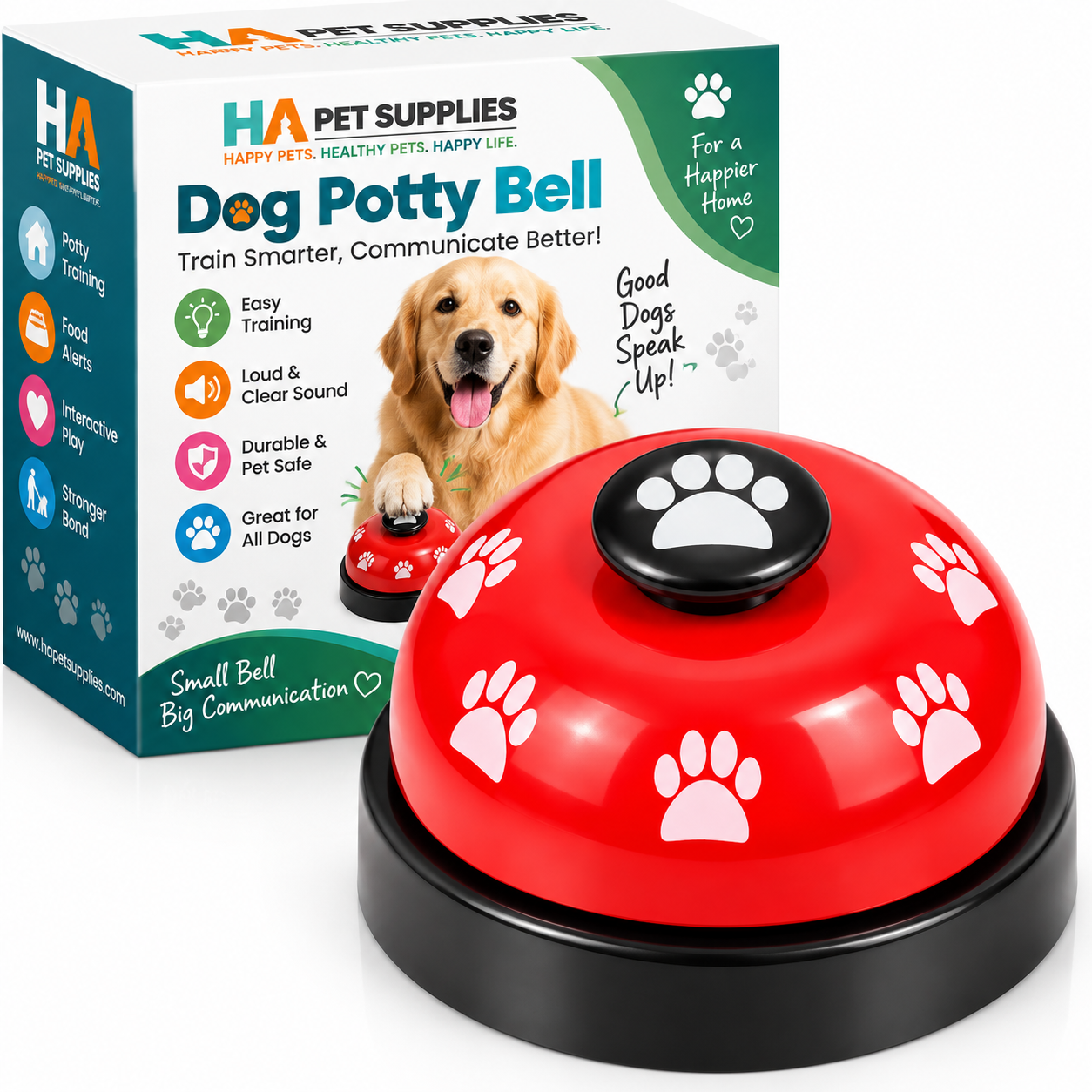
Dog Potty Bell for Puppy Training & Better Communication
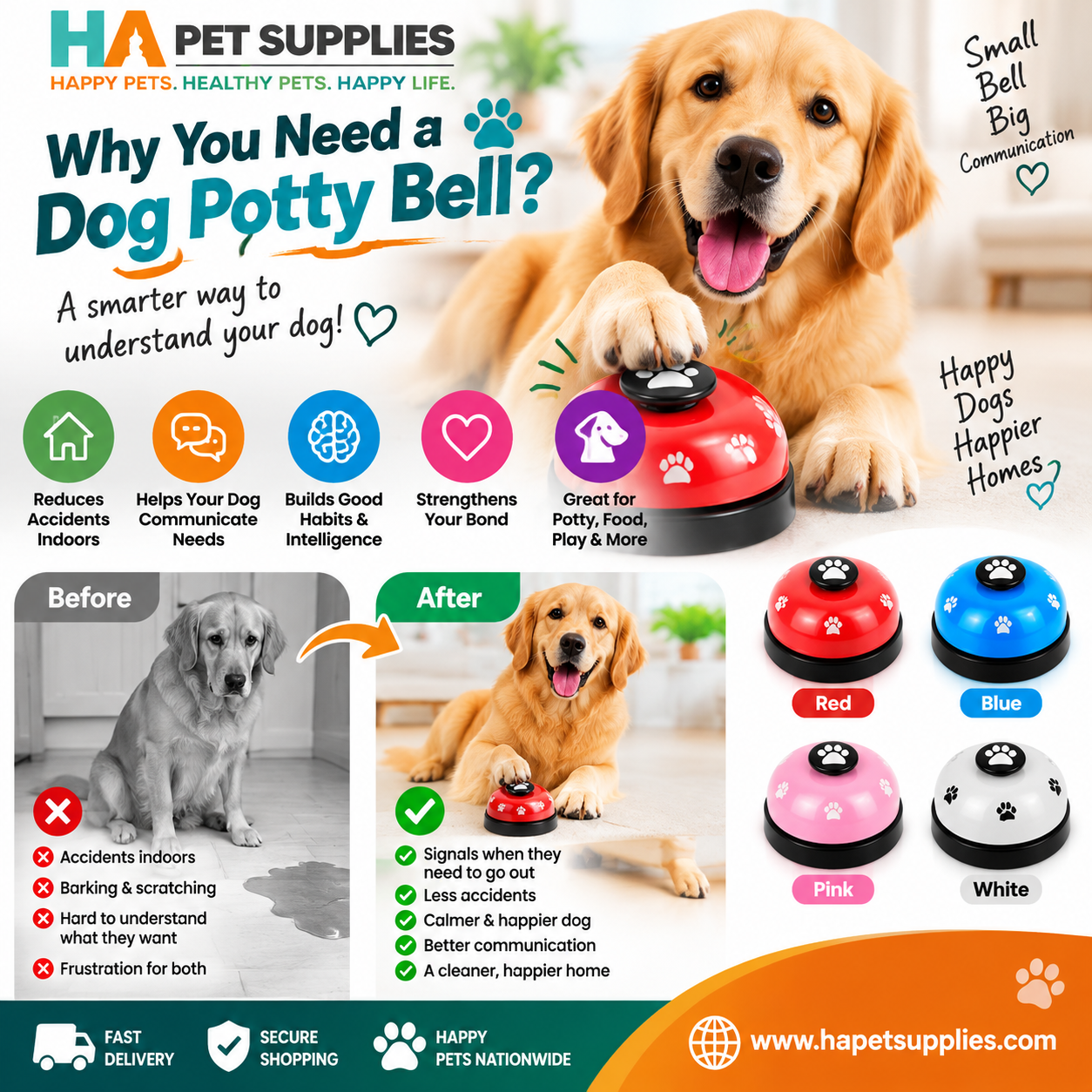
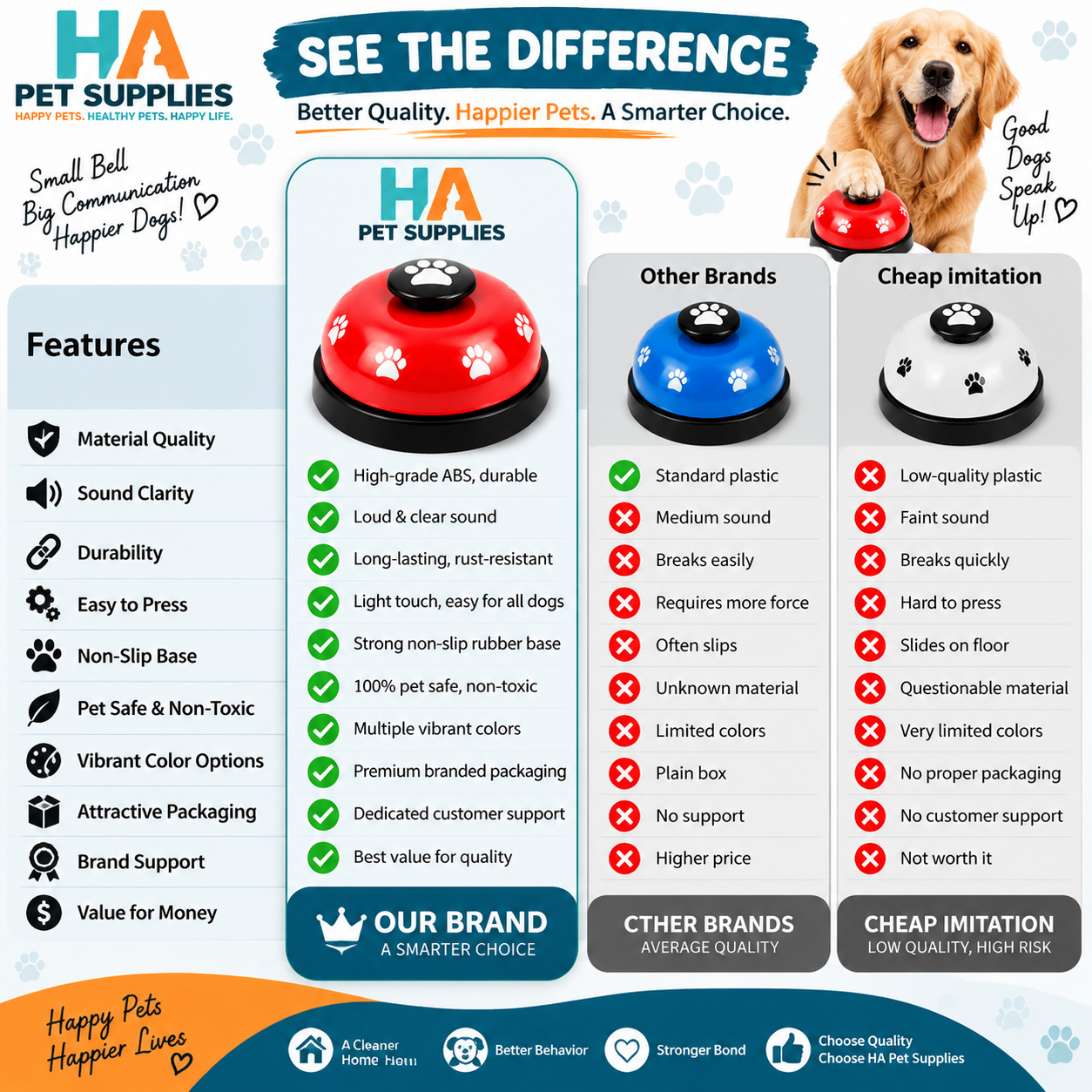
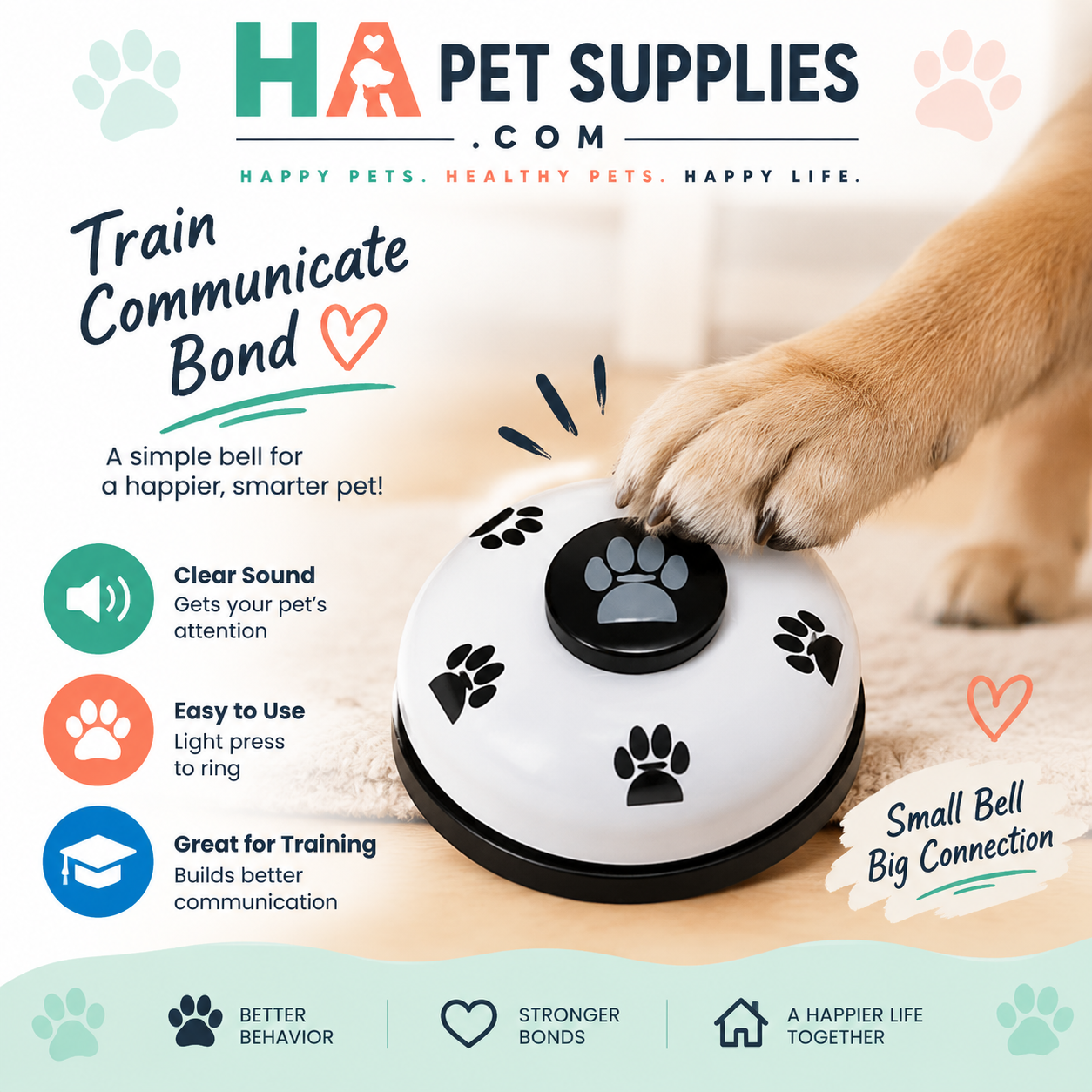
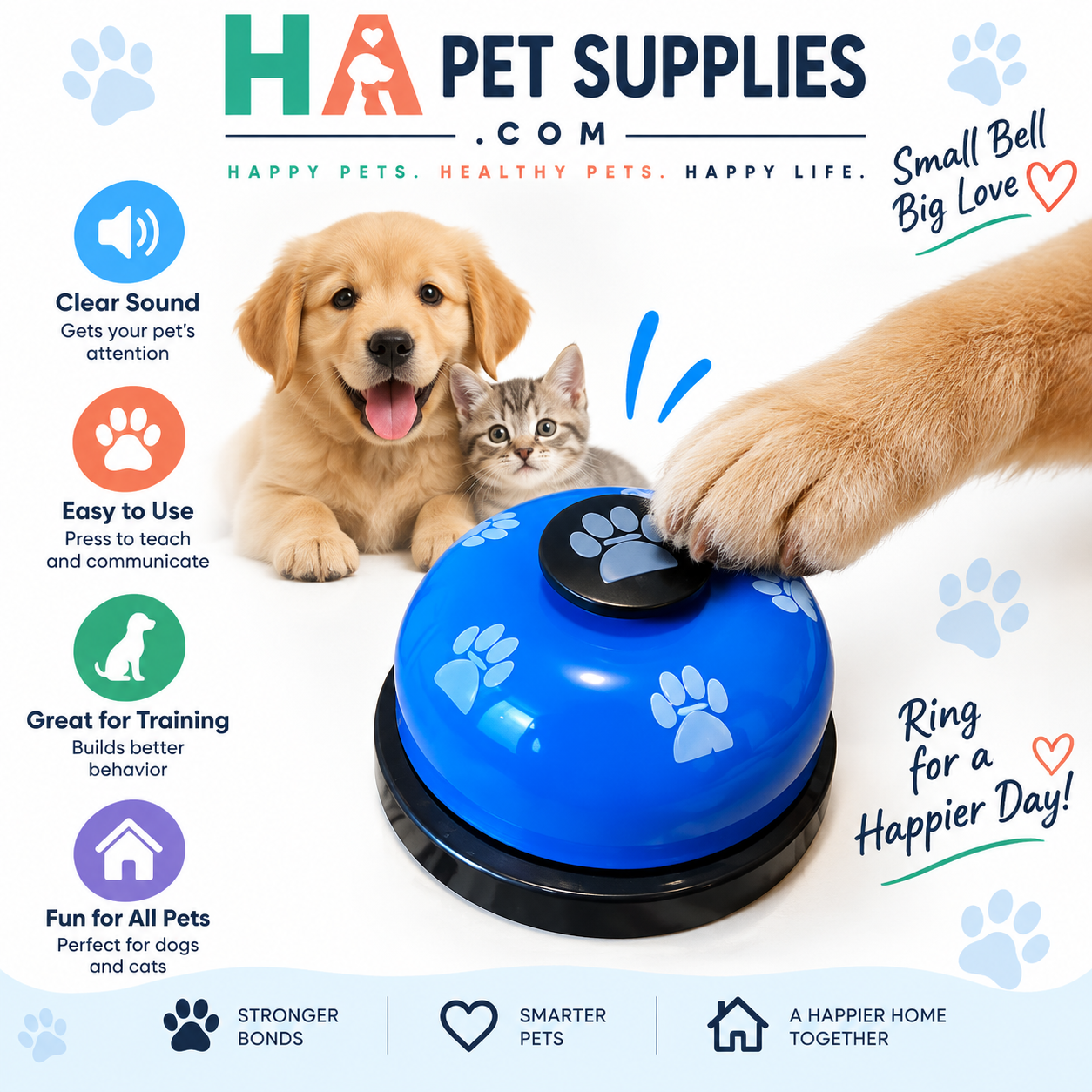
A dog potty bell is a simple but effective training tool designed to help dogs communicate their bathroom needs.
Many puppies and newly adopted dogs struggle to understand how to tell their owners that they need to go outside.
They may:
- Bark
- Whine
- Scratch doors
- Walk around restlessly
- Have accidents indoors
A potty bell for dogs creates a consistent signal.
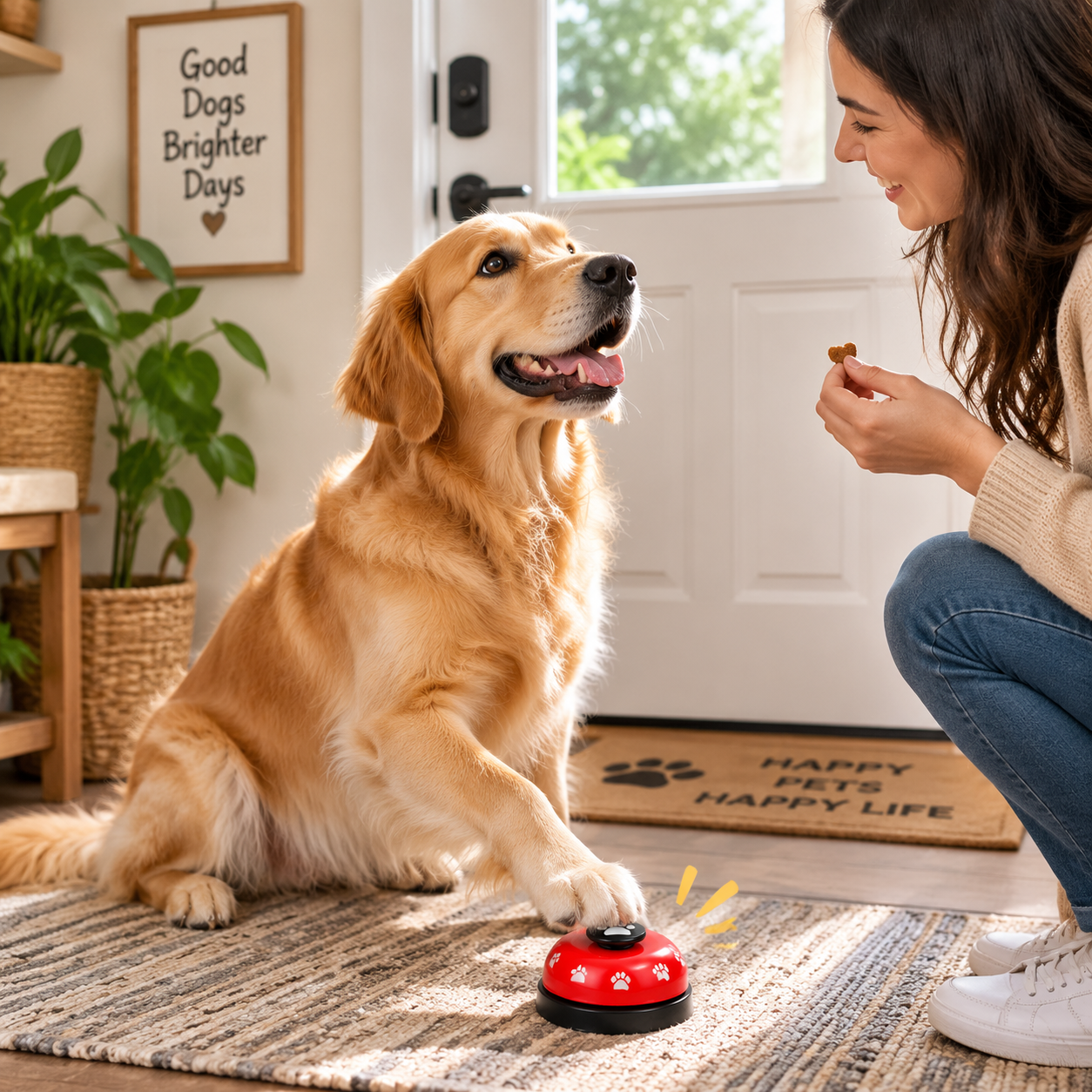
Instead of expecting your dog to naturally understand how to communicate, you teach them a specific action:
Ring the bell → Go outside → Bathroom break
With repetition and positive reinforcement, many dogs can learn that the bell is connected to their potty routine.
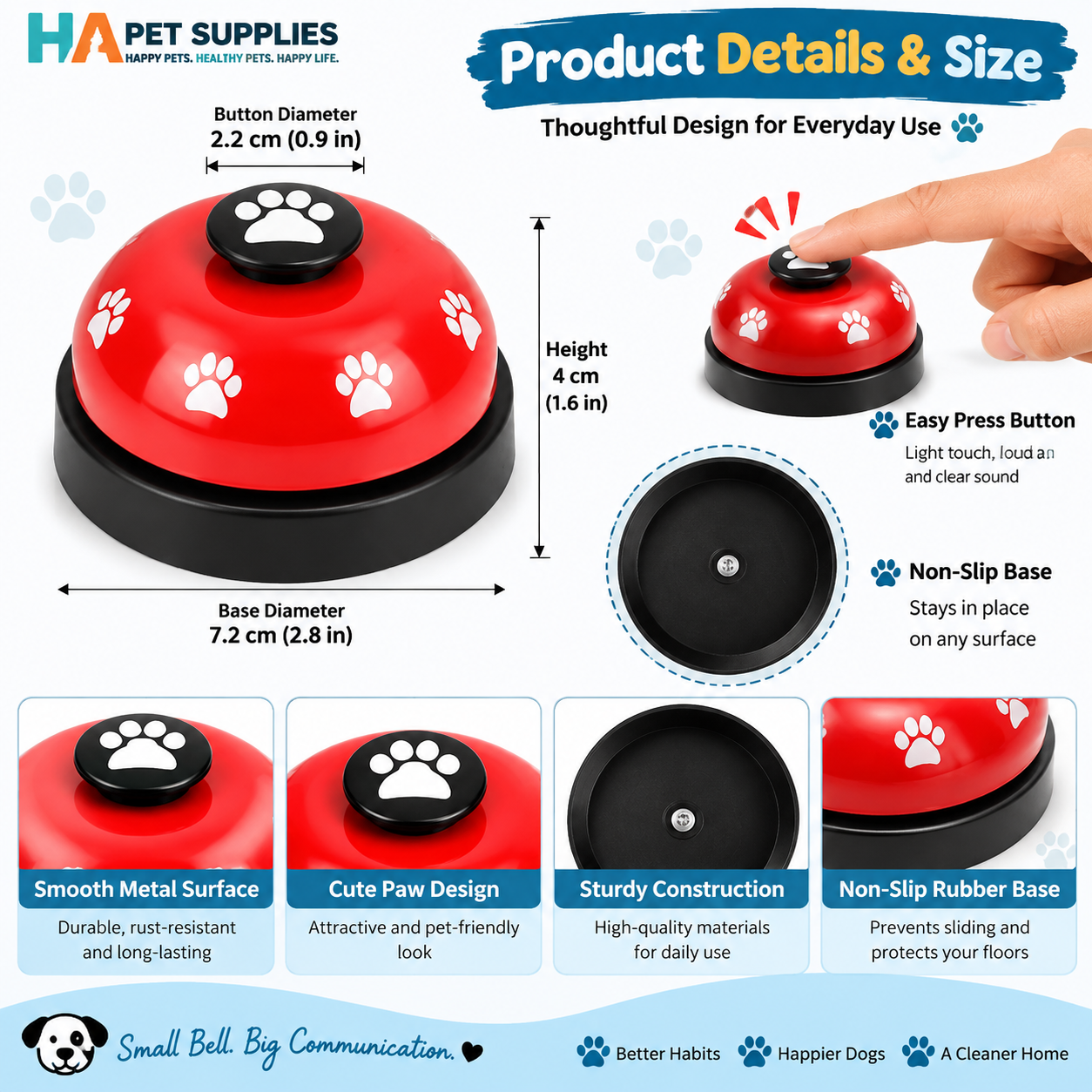
The HA Pet Supplies dog potty bell provides a simple communication method that can become part of your dog’s daily training routine.
Remember that potty training requires:
- Consistency
- Patience
- Supervision
- Positive reinforcement
- Regular schedules
The bell is a communication tool, not a replacement for training.
TABLE OF CONTENTS
- What Is a Dog Potty Bell?
- How Does a Dog Training Bell Work?
- 7 Powerful Benefits of a Dog Potty Bell
- Puppy Potty Bell Training Guide
- Dog Doorbell for Potty Training
- Dog Bell for Bathroom Training
- How to Teach Your Dog to Ring the Bell
- Common Potty Bell Training Mistakes
- Potty Bell Training Schedule
- Dog Potty Bell for Puppies
- Dog Potty Bell for Adult Dogs
- Benefits of Positive Reinforcement
- Cleaning and Maintenance
- Why Choose HA Pet Supplies?
- Frequently Asked Questions
What Is a Dog Potty Bell?
A dog potty bell is a training accessory that allows dogs to signal when they need to go outside.
The concept is simple.
The owner places the bell near the door.
During potty training, the dog learns that touching or ringing the bell leads to a bathroom trip.
Over time, the dog may begin using the bell as a communication method.
A dog training bell does not teach the dog automatically.
The owner must create the connection through repetition.
The learning process usually follows:
Step 1
Dog interacts with bell.
Step 2
Owner immediately takes dog outside.
Step 3
Dog receives praise or reward after successful bathroom behavior.
Step 4
Dog learns the relationship between bell and potty break.
Consistency is the key.
How Does a Dog Potty Bell Work?
A dog potty bell works through association training.
Dogs are excellent at learning patterns.
When the same action repeatedly produces the same result, they begin connecting the two events.
Example:
Bell rings.
Owner opens door.
Dog goes outside.
Dog receives praise.
After enough repetition, the bell becomes a signal.
The dog learns:
“When I need to go outside, I can use this bell.”
This process is based on positive reinforcement.
The American Kennel Club explains that positive reinforcement training rewards desired behaviors, helping dogs understand which actions produce positive outcomes.
Source:
https://www.akc.org/expert-advice/training/positive-reinforcement-dog-training/
7 Powerful Benefits of a Dog Potty Bell
1. Helps Dogs Communicate Bathroom Needs
The biggest benefit of a dog potty bell is communication.
Dogs cannot speak, but they can learn signals.
A bell gives them a clear way to request a bathroom trip.
Instead of guessing when your dog needs to go outside, the bell creates a visible communication system.
This can be especially helpful for:
- Puppies
- Newly adopted dogs
- Dogs learning household routines
- Dogs living in apartments
- Owners with busy schedules
2. Supports Puppy House Training
A puppy potty bell can become a useful part of a puppy training routine.
Young puppies need structure.
They are still learning:
- Where to eliminate
- When to ask
- How to communicate
- What behavior earns rewards
The bell gives puppies another way to participate in their own training.
However, puppies still require:
Regular bathroom schedules.
Supervision.
Accident management.
Positive reinforcement.
The bell alone does not prevent accidents.
3. Creates a Consistent Routine
Dogs learn through repetition.
A dog potty training bell works best when the same routine happens every time.
For example:
Morning:
Bell → Outside → Bathroom → Reward
After eating:
Bell → Outside → Bathroom → Reward
Before bedtime:
Bell → Outside → Bathroom → Reward
The repeated pattern helps your dog understand what the bell means.
4. Reduces Guesswork for Owners
Many owners struggle to recognize subtle bathroom signals.
A dog may:
Walk near the door.
Sniff around.
Become restless.
Look at the owner.
A dog doorbell for potty training gives your dog a direct communication option.
This can make the training process easier to understand.
5. Builds Positive Communication
A dog training bell is not only about bathroom training.
It also strengthens communication between owner and dog.
Your dog learns:
“Actions create results.”
You learn:
“What my dog is trying to tell me.”
This two-way understanding can improve everyday interaction.
6. Useful for Apartment Living
Dogs living in apartments often have less obvious access to outdoor spaces.
A potty training bell for puppies can help create a predictable routine.
The bell can be placed near:
- Apartment door
- Balcony exit
- Main entrance
The owner then responds consistently.
7. Can Be Used With Adult Dogs Too
Many people assume potty bells are only for puppies.
That is not true.
An adult dog can also learn a new communication habit.
A dog bell for potty training may be useful for:
- Newly adopted adult dogs
- Dogs changing homes
- Dogs learning new routines
Age does not automatically prevent learning.
Puppy Potty Bell Training Guide
Training a puppy potty bell requires patience.
Follow these steps:
Step 1: Place the Bell Near the Door
Choose the door you normally use for bathroom breaks.
Keep the bell easy for your puppy to reach.
Step 2: Introduce the Bell
Allow your puppy to investigate.
Let them sniff it.
Reward curiosity.
Step 3: Teach Touching
Encourage your puppy to touch the bell.
You can use a treat or praise.
Step 4: Connect Bell With Outside
Every time the puppy rings the bell, immediately go outside.
Do not delay.
The connection must become clear.
Step 5: Reward Correct Behavior
When your puppy successfully goes outside:
Praise.
Give encouragement.
Reward appropriately.
Step 6: Stay Consistent
Everyone in the household should follow the same process.
Mixed signals slow learning.
Dog Doorbell for Potty Training
A dog doorbell for potty training is especially useful because it replaces unclear communication with a specific action.
Many dogs naturally develop their own signals.
However, those signals are not always obvious.
A bell provides a recognizable signal.
The owner sees:
Bell movement.
Bell sound.
Dog standing near the door.
Then responds.
This creates a simple communication loop.
Dog Bell for Bathroom Training
A dog bell for bathroom training works best when owners avoid mistakes.
Common mistakes include:
Ignoring Bell Rings
If the dog rings the bell and nothing happens, the association becomes weaker.
Using the Bell for Play
Avoid teaching:
Bell = outside fun only.
The dog should understand the main purpose.
Punishing Accidents
Accidents are part of learning.
Punishment can create fear and confusion.
Changing the Door Location
Keep the bell in the same place during early training.
Dog Potty Bell Training Schedule
Consistency matters.
A basic schedule may include:
Morning
Take dog outside after waking.
After Meals
Many dogs need bathroom breaks after eating.
After Play
Activity can trigger bathroom needs.
Before Sleep
Offer a final bathroom opportunity.
During Training Period
Respond whenever the bell is used.
The exact schedule depends on:
Age.
Health.
Breed.
Routine.
Individual dog.
Dog Potty Bell for Adult Dogs
Adult dogs can learn a dog potty bell too.
This can be helpful when:
- Moving homes
- Changing routines
- Adopting a rescue dog
- Teaching new communication habits
Adult dogs often already understand household rules, making it possible to introduce the bell as a new signal.
Keep sessions positive.
Do not expect immediate perfection.
Dog Potty Bell for Multiple Dogs
In homes with multiple dogs, bell training may require observation.
Some dogs learn quickly.
Others may copy another dog’s behavior.
Monitor whether:
- The correct dog is using the bell.
- Dogs are ringing it for attention.
- The bell is being used appropriately.
Continue rewarding genuine bathroom requests.
Cleaning and Maintaining Your Dog Training Bell
A dog training bell should be kept clean.
Maintenance:
- Remove dust
- Wipe the surface
- Check moving parts
- Ensure the bell sound remains clear
- Inspect for damage
If the bell contains fabric, follow the manufacturer’s cleaning instructions.
Dog Potty Bell vs Barking at the Door
Some dogs naturally bark when they need to go outside.
A dog potty bell provides a quieter alternative.
Barking may sometimes become associated with:
Attention.
Excitement.
Demanding behavior.
A bell creates a more specific signal.
However, every dog is different.
Some dogs prefer barking.
Others prefer touching objects.
Training success depends on the individual dog.
Dog Potty Bell vs Scratching the Door
Door scratching can damage furniture and doors.
A dog doorbell for potty training gives dogs another communication method.
Instead of:
Scratch door.
Damage surface.
Create noise.
The dog learns:
Touch bell.
Wait.
Owner responds.
Positive Reinforcement and Potty Bell Training
Positive reinforcement is important.
Reward behaviors you want repeated.
Examples:
Dog rings bell.
Owner opens door.
Dog goes outside.
Dog receives praise.
This teaches:
“The bell creates a positive outcome.”
Avoid punishment during potty training.
Dogs learn better when the training environment is predictable and encouraging.
Why Choose HA Pet Supplies Dog Potty Bell?
HA Pet Supplies provides practical products designed to make everyday pet ownership easier.
The dog potty bell helps owners create clearer communication during bathroom training.
Key Benefits:
- Supports potty communication
- Useful for puppies and adult dogs
- Creates a consistent routine
- Helps owners recognize bathroom requests
- Easy addition to training sessions
- Encourages positive reinforcement
- Useful for indoor training routines
- Helps reduce confusion between dog and owner
- Supports structured bathroom habits
Whether you are searching for a potty bell for dogs, puppy potty bell, dog training bell, dog bell for potty training or potty training bell for puppies, this product provides a simple communication tool.
Explore more dog products at:
https://hapetsupplies.com/product-category/dog-supplies/
Build Better Communication With Your Dog

A dog potty bell is a small training tool that can create a big improvement in communication.
It gives your dog a way to say:
“I need to go outside.”
With patience, repetition and positive reinforcement, many dogs can learn this useful routine.
Remember:
The bell is the communication tool.
Training creates the understanding.
Consistency creates success.
Give your dog a clearer voice with HA Pet Supplies Dog Potty Bell.
FREQUENTLY ASKED QUESTIONS
What is a dog potty bell?
A dog potty bell is a training accessory that teaches dogs to signal when they need to go outside.
Does a potty bell train dogs automatically?
No.
Dogs need consistent training and positive reinforcement to understand the bell’s purpose.
Can puppies use a potty bell?
Yes.
A puppy potty bell can be introduced during house training with supervision and consistency.
Can older dogs learn potty bells?
Yes.
Adult dogs can learn new communication habits.
How long does potty bell training take?
Training time varies depending on the dog’s age, personality and consistency of practice.
Where should I place the bell?
Place it near the door used for bathroom trips.
Can dogs use the bell for attention?
Some dogs may attempt this.
Continue rewarding genuine bathroom use and avoid turning every bell ring into unnecessary activity.
Is a potty bell better than barking?
A bell can provide a clearer signal because it is specifically trained for bathroom communication.
Can a potty bell stop accidents completely?
No training tool guarantees zero accidents.
Supervision and routine remain important.



Reviews
There are no reviews yet.