
Your dog suddenly stops during a walk, lifts one paw off the ground, and refuses to take another step. Is the pavement too hot? Is something stuck between the toes? Or should your dog have been wearing boots?
These are questions that many dog owners face, especially when the weather changes unexpectedly. You might be walking across sun-heated pavement in summer, dealing with icy sidewalks in winter, or heading outside after heavy rain.
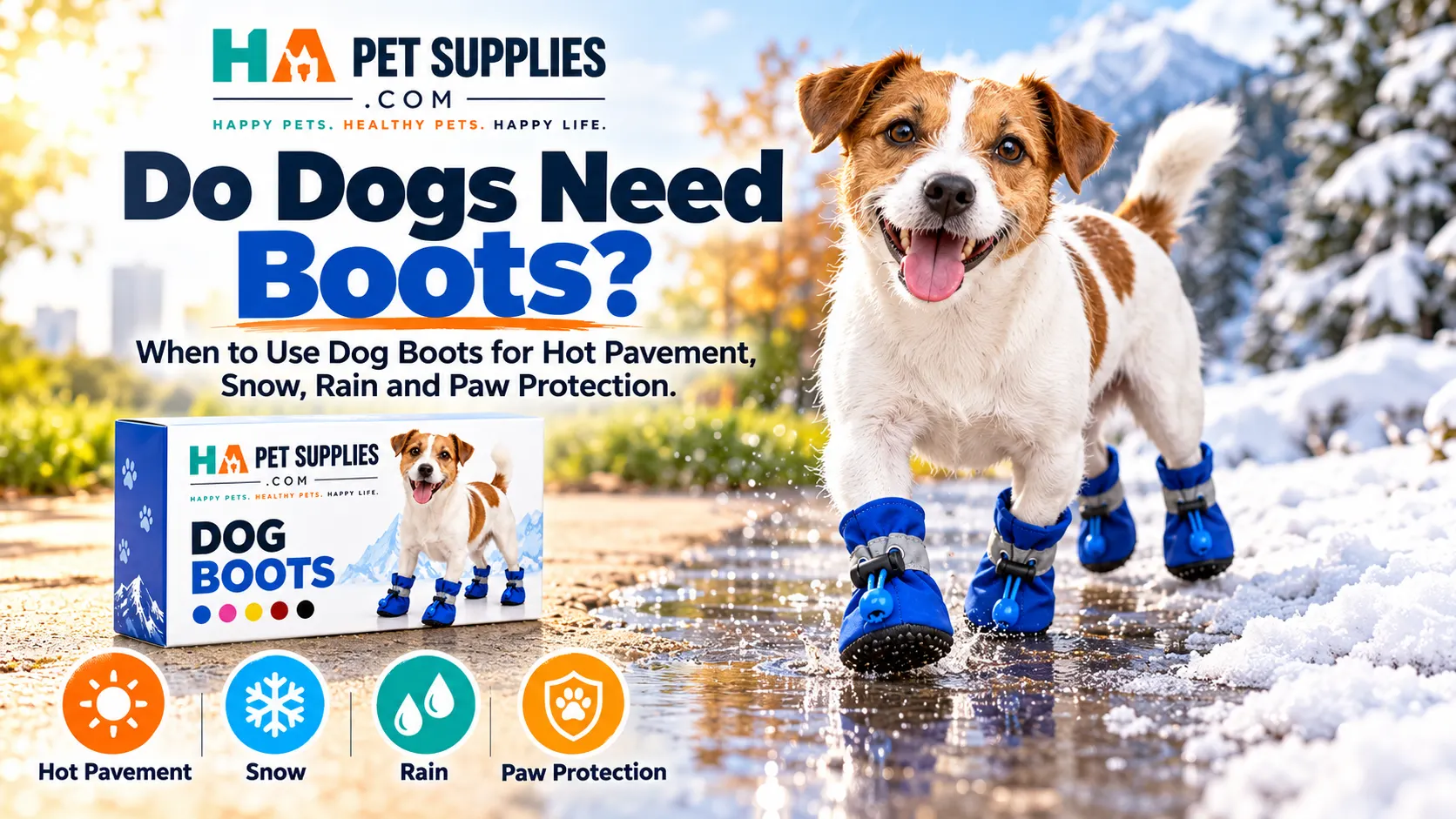
This leads to one important question: Do dogs need boots? The answer is sometimes yes, but not always.
Dogs naturally have paw pads that help support their weight, absorb impact, and provide traction. However, natural paw protection has limits. Excessively hot pavement may cause burns. Ice and road salt may irritate sensitive skin. Rough terrain can expose paws to cuts and abrasions.
But here is something every pet owner should understand: Dog boots are not a solution to every outdoor danger. Wearing boots does not prevent heatstroke, make severely icy surfaces safe, or replace veterinary treatment for an injured paw.
This complete guide explains exactly when dogs benefit from protective footwear, when they can comfortably walk without boots, and what signs indicate that your dog needs additional paw protection.
- 1. Quick Answer: Do Dogs Need Boots?
- 2. Seven Situations When Dogs May Need Boots
- 3. Do Dogs Need Boots for Hot Pavement?
- 4. Do Dogs Need Boots for Snow and Ice?
- 5. Do Dogs Need Boots in Rainy Weather?
- 6. Do Dogs Need Boots for Hiking?
- 7. When Dogs Do Not Need Boots
- 8. Which Dogs May Benefit Most?
- 9. Dog Boots vs Paw Wax vs Bare Paws
- 10. How to Recognize Paw Discomfort
- 11. How to Choose the Right Dog Boots
- 12. How to Measure Dog Paws
- 13. How to Train a Dog to Wear Boots
- 14. Daily Paw Protection Routine
- 15. Common Dog Boot Mistakes
- 16. Choosing HA Pet Supplies
- 17. FAQs
- 18. Final Checklist
1. Quick Answer: Do Dogs Need Boots?
If you are standing near the door wondering whether to put boots on your dog, consider the walking surface first.
Dogs may benefit from boots when walking surfaces are hot, icy, chemically treated, unusually rough, or otherwise likely to injure their paws. On comfortable, safe surfaces, healthy dogs often do not need protective footwear.
According to the American Kennel Club’s guide to dog boots, appropriately selected footwear can provide protection against environmental hazards including heated pavement, winter ice, and abrasive surfaces.
| Situation | Are Boots Necessary? | Recommended Action |
|---|---|---|
| Comfortable grass on a mild day | Usually no | Normal walking with routine paw checks |
| Extremely hot asphalt | Avoid exposure first | Choose cooler hours and safer surfaces |
| Snow and icy sidewalks | Often helpful | Consider suitable insulated boots |
| Streets treated with road salt | Often helpful | Use protective footwear and clean paws afterward |
| Light rain on safe ground | Usually optional | Inspect and dry paws after walking |
| Sharp rocky trails | May be beneficial | Consider durable protective boots |
| Existing paw injuries | Veterinary guidance needed | Do not use ordinary boots as treatment |
Fast answer for worried owners: If your dog suddenly lifts a paw, limps, cries, or refuses to continue, stop walking. Move to a safe area and inspect the paw. Do not assume boots will fix an existing injury.
2. Seven Situations When Dogs May Need Boots
Not all outdoor environments affect dogs in the same way. Understanding these seven situations will help you decide when protective footwear may be useful.
One Question. Seven Situations. Smarter Paw Protection.
Situation 1: Hot Summer Pavement
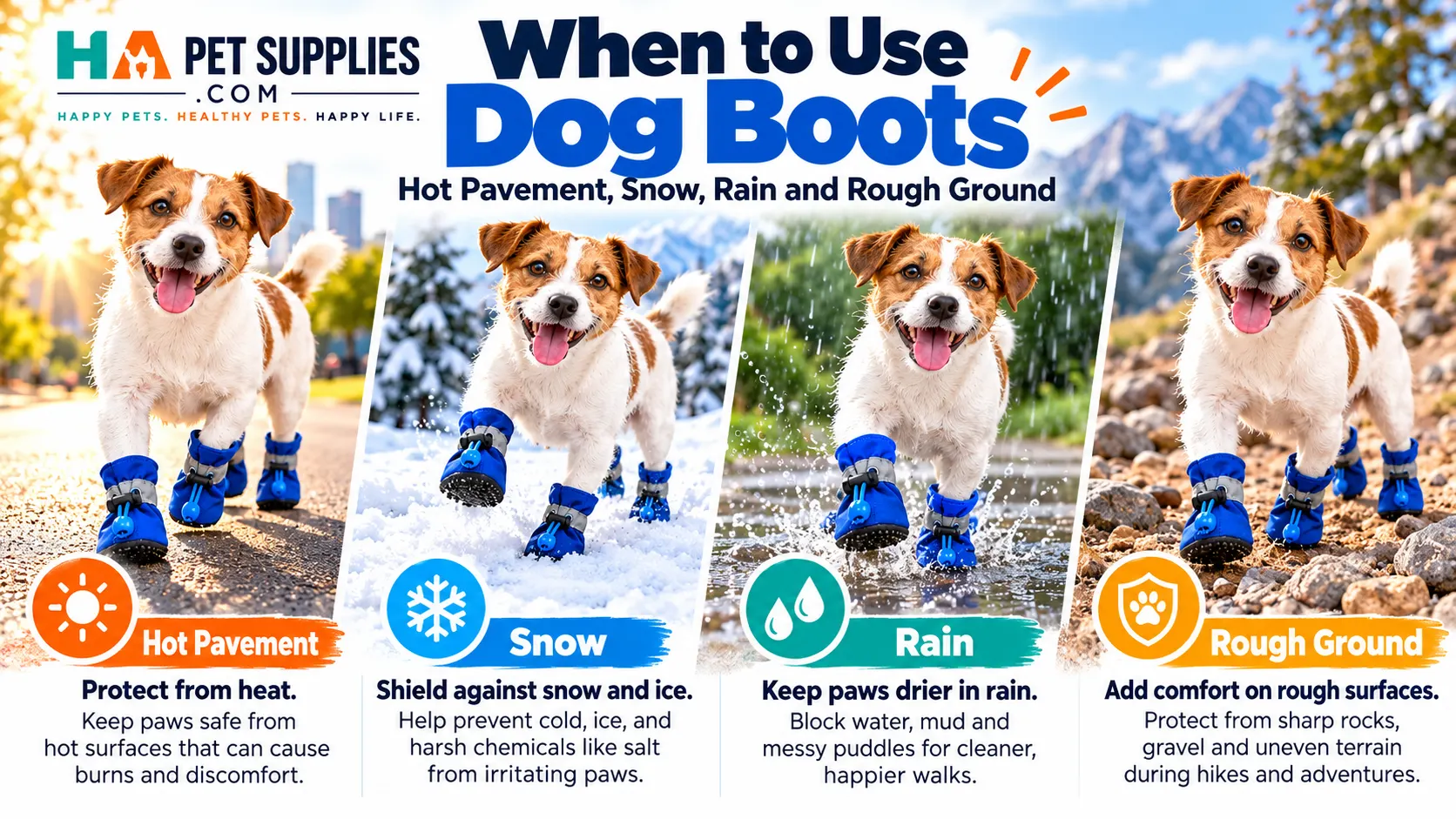
Asphalt, concrete, and other surfaces exposed to direct sunlight can become much hotter than the surrounding air. Lightweight, breathable boots designed for warm surfaces may help reduce direct contact with hot ground. However, avoiding dangerously hot pavement is safer than relying on boots alone.
Situation 2: Snow and Freezing Temperatures
Snow, ice, and freezing moisture can cause discomfort during prolonged exposure. Insulated winter boots can provide a barrier between paws and cold surfaces, although they do not eliminate all winter risks.
Situation 3: Road Salt and Chemical Deicers
During winter, sidewalks are often treated with salt or chemical ice-melting products. These substances can irritate paw pads and the skin between the toes. Protective boots may help reduce direct exposure.
Situation 4: Rocky or Abrasive Hiking Trails
Rough trails may contain sharp stones, gravel, broken branches, or abrasive surfaces. Suitable hiking boots may reduce direct contact with these hazards.
Situation 5: Long Outdoor Activities
Extended walking or hiking may increase friction and expose paws to changing terrain. Paw protection may be useful in selected situations, but gradual conditioning and appropriate rest are also important.
Situation 6: Sensitive Paws
Some dogs have unusually sensitive paw pads, skin irritation, or discomfort associated with particular surfaces. A veterinarian may recommend protective equipment after assessing the underlying problem.
Situation 7: Specific Indoor Traction Problems
Older dogs or dogs with mobility difficulties may struggle on slippery floors. Certain purpose-designed traction booties or socks may help in some cases. However, correcting slippery flooring with rugs or mats may be a better first step.
So, Do Dogs Need Boots Every Day? Usually not. Many healthy dogs can walk comfortably without footwear under ordinary conditions.
3. Do Dogs Need Boots for Hot Pavement?
Hot pavement is one of the strongest reasons to consider protective dog footwear. However, dog owners should understand that footwear offers only limited protection against the overall dangers of hot weather.
Why Hot Pavement Is Dangerous
During summer, asphalt and similar materials absorb solar energy. As a result, the surface temperature can become significantly higher than the air temperature. According to the American Kennel Club’s updated hot pavement guidance, surfaces such as asphalt and artificial turf can become hot enough to burn dog paw pads.
How to Check Whether Pavement Is Too Hot
Before walking your dog across an exposed surface, assess the actual ground temperature. A practical test is to place your hand against the pavement for several seconds. If the surface feels uncomfortably hot to your hand, do not allow your dog to walk on it. The PetMD guide to protecting dog paws in summer also emphasizes avoiding hot asphalt and shifting walks to cooler hours.
Can Dog Boots Prevent Paw Burns?
Appropriately designed protective boots may help reduce direct contact between paw pads and hot surfaces. However, not all dog boots provide meaningful heat protection. When shopping for dog boots for hot pavement, consider lightweight construction, breathability, suitable sole protection, and secure fit.
Why Boots Cannot Prevent Heatstroke
Dog boots only cover the paws. They do not prevent the dog’s body from overheating. The American Veterinary Medical Association’s warm-weather safety guidance recommends avoiding strenuous exercise during the hottest parts of the day.
Better Summer Walking Habits
Walk during cooler morning or evening periods. Choose shaded paths and grassy areas. For dogs that need additional warm-weather management, you can explore the HA Pet Supplies dog cooling vest as one possible supportive accessory.
4. Do Dogs Need Boots for Snow and Ice?
Winter creates different challenges from summer. Cold temperatures, packed snow, frozen puddles, icy sidewalks, and road salt can all affect a dog’s paws.
Why Snow Can Become Uncomfortable
Snow may collect between the toes, particularly in dogs with long fur around their feet. According to PetMD’s winter paw protection guide, snow, ice, dampness, and deicing products are among the main winter hazards for canine paws.
Are Winter Dog Boots Necessary?
The answer depends on the conditions. For a very brief trip outside on a reasonably safe surface, boots may not always be necessary. However, longer walks through snow, heavily salted streets, or extremely cold conditions may justify protective footwear.
Do Dogs Need Boots Around Road Salt?
The VCA Animal Hospitals cold-weather paw protection guide recommends boots as one way to limit exposure to sidewalk salt and reduce snow accumulation between the toes. After any winter walk, inspect and clean the paws as necessary.
When Should You Cancel a Winter Walk?
If your dog is shivering, repeatedly lifting its paws, crying, moving stiffly, or trying to return indoors, end the walk. The PetMD guide to keeping dogs warm in winter explains how size, coat type, wind, moisture, and temperature affect dogs’ cold tolerance.
5. Do Dogs Need Boots in Rainy Weather?
Rainy weather raises another common question. For many healthy dogs, the answer is no. Ordinary walks on safe, wet ground usually do not require boots. However, there are situations where rain boots can be useful.
When Rain Boots May Help
If your dog regularly walks across wet city sidewalks, muddy routes containing abrasive debris, or uncomfortable surfaces, protective footwear may reduce direct paw exposure.
Waterproof Does Not Mean Completely Dry
A boot may have waterproof material and still allow water to enter through the opening around the leg. Once moisture enters a boot, it can become trapped against the skin. For this reason, remove rain boots after walking and inspect the paws.
What About Non-Slip Soles?
Wet pavement, tiles, wooden surfaces, and polished stone can become slippery. Certain textured soles may improve traction on selected surfaces. The AKC guide to walking dogs in rain and snow explains why appropriate footwear and gradual preparation can be useful.
6. Do Dogs Need Boots for Hiking and Rough Terrain?
Dogs often enjoy exploring outdoor trails, but rough terrain can expose their paws to different hazards. Sharp stones, uneven ground, abrasive gravel, and hidden debris may cause discomfort or injury.
When Hiking Boots May Help
Protective boots can be useful on trails with sharp debris, coarse gravel, or other abrasive surfaces. The AKC dog boots buying guide discusses why terrain and activity should influence boot selection.
Can Hiking Boots Create Problems?
Yes. Poorly fitted boots may rub the skin or move around during walking. Always test new footwear during shorter activities before attempting a long hike.
What If Your Dog Prefers Walking Without Boots?
If your dog has healthy paws and the trail is reasonably safe, barefoot walking may be appropriate. Do not force protective footwear when it is unnecessary and clearly uncomfortable.
7. When Dogs Do Not Need Boots
One of the biggest misconceptions about dog footwear is that more protection is always better. In reality, dogs do not automatically need boots for every outdoor activity.
Comfortable Walking Surfaces
On safe grass, moderate-temperature paths, or other suitable surfaces, healthy dogs often walk comfortably without footwear.
Short Walks in Mild Weather
A short neighborhood walk during comfortable weather generally does not require special footwear unless your dog has an individual need.
Normal Backyard Activity
If your backyard is safe and free from hazardous materials, your dog may not need boots during ordinary play.
Dogs That Are Uncomfortable in Boots
Some dogs struggle with protective footwear even after patient training. If boots are optional and the environment is safe, allowing the dog to walk without them may be the better choice.
The main principle is simple: Use boots when they solve a meaningful problem, not merely because they are available.
8. Which Dogs May Benefit Most From Paw Protection?
Different dogs have different physical characteristics and sensitivities. This can influence whether protective footwear is useful.
Puppies
Puppies have developing paws and may be less experienced with unfamiliar surfaces. Properly fitted boots may be helpful in selected situations, but gradual introduction is essential.
Senior Dogs
Older dogs may have mobility issues or reduced confidence on slippery surfaces. However, persistent slipping or weakness can reflect medical problems that need veterinary attention.
Small Dogs
Small dogs may be more sensitive to certain cold conditions because of their size. During winter, suitable paw protection may be helpful.
Large and Active Dogs
Large dogs and highly active dogs may encounter significant paw wear during demanding outdoor activities. Appropriate footwear may help reduce certain surface-related injuries.
Dogs With Sensitive Skin
Dogs with skin allergies, irritation, or recurring paw discomfort may need individualized care. A veterinarian should help determine whether boots are appropriate.
9. Dog Boots vs Paw Wax vs Bare Paws
Dog boots are not the only approach to paw protection. Some situations can be managed through route selection, gentle paw care, or dog-safe protective products.
| Method | Potential Benefits | Limitations | Suitable Situations |
|---|---|---|---|
| Dog boots | Physical barrier against certain surfaces | Require correct fit and training | Snow, road salt, rough terrain |
| Dog-safe paw wax | May provide barrier against mild moisture | Does not protect against sharp objects or dangerous heat | Selected winter conditions |
| Bare paws | Natural movement without footwear | Direct exposure to hazards | Safe surfaces and comfortable weather |
| Paw cleaning after walks | Removes dirt and environmental residues | Does not prevent exposure during the walk | Everyday care |
| Safer route and timing | Avoids environmental hazards | May require changing routines | Hot pavement, severe weather, dangerous terrain |
When Paw Wax May Help
According to PetMD’s winter paw-care guidance, an appropriate wax or balm can be an alternative in selected circumstances when a dog cannot tolerate boots.
The Most Important Comparison: The best solution is not always the product that covers the most skin. Sometimes it is simply walking earlier in the morning, avoiding a salted sidewalk, or choosing grass instead of scorching asphalt.
10. How to Recognize Paw Discomfort or Injury
Dogs cannot explain that the ground feels uncomfortable. Instead, they communicate through movement and behavior.
Warning Sign 1: Suddenly Lifting a Paw
Repeatedly lifting one paw may indicate discomfort from temperature, debris, or injury. Stop and inspect the paw in a safe location.
Warning Sign 2: Limping
Limping can indicate pain or difficulty bearing weight. Do not assume it is harmless.
Warning Sign 3: Excessive Licking
A dog repeatedly licking its paws may be responding to irritation, discomfort, or another underlying problem.
Warning Sign 4: Redness or Swelling
Visible inflammation may indicate irritation, friction, or injury. Remove any footwear and examine the affected area carefully.
Warning Sign 5: Cuts or Damaged Paw Pads
Sharp objects and abrasive surfaces can cause cuts or tearing. Paw-pad wounds may be painful and can require veterinary treatment.
Warning Sign 6: Sudden Refusal to Walk
A dog that unexpectedly refuses to continue may be uncomfortable, overheated, frightened, or injured.
What Should You Do First?
Move your dog away from the suspected hazard. If the dog is limping significantly, has visible injury, or continues to show pain, contact a veterinarian. Do not put ordinary walking boots over an injured paw as a substitute for treatment.
11. How to Choose the Right Dog Boots
Once you have decided that protective footwear may benefit your dog, the next step is choosing the right design.
Choose According to Weather
For winter, consider suitable insulation and moisture resistance. For rain, look for appropriate water resistance and a secure opening. For summer, prioritize lightweight construction, breathability, and footwear designed for the intended surface.
Examine the Sole
The sole should help protect the paw without excessively restricting movement. However, no boot is universally slip-proof.
Review the Fastening System
Adjustable straps may help improve security. They must not compress the leg or cause discomfort.
Check Breathability
Poorly ventilated boots may trap heat and moisture. Choose materials appropriate to the weather and activity.
Measure the Paws
Accurate sizing is essential. For a complete buying comparison, read our related guide: Best Dog Boots for All Weather and How to Choose Waterproof, Non-Slip Boots.
12. How to Measure Dog Paws and Prevent Boots From Falling Off
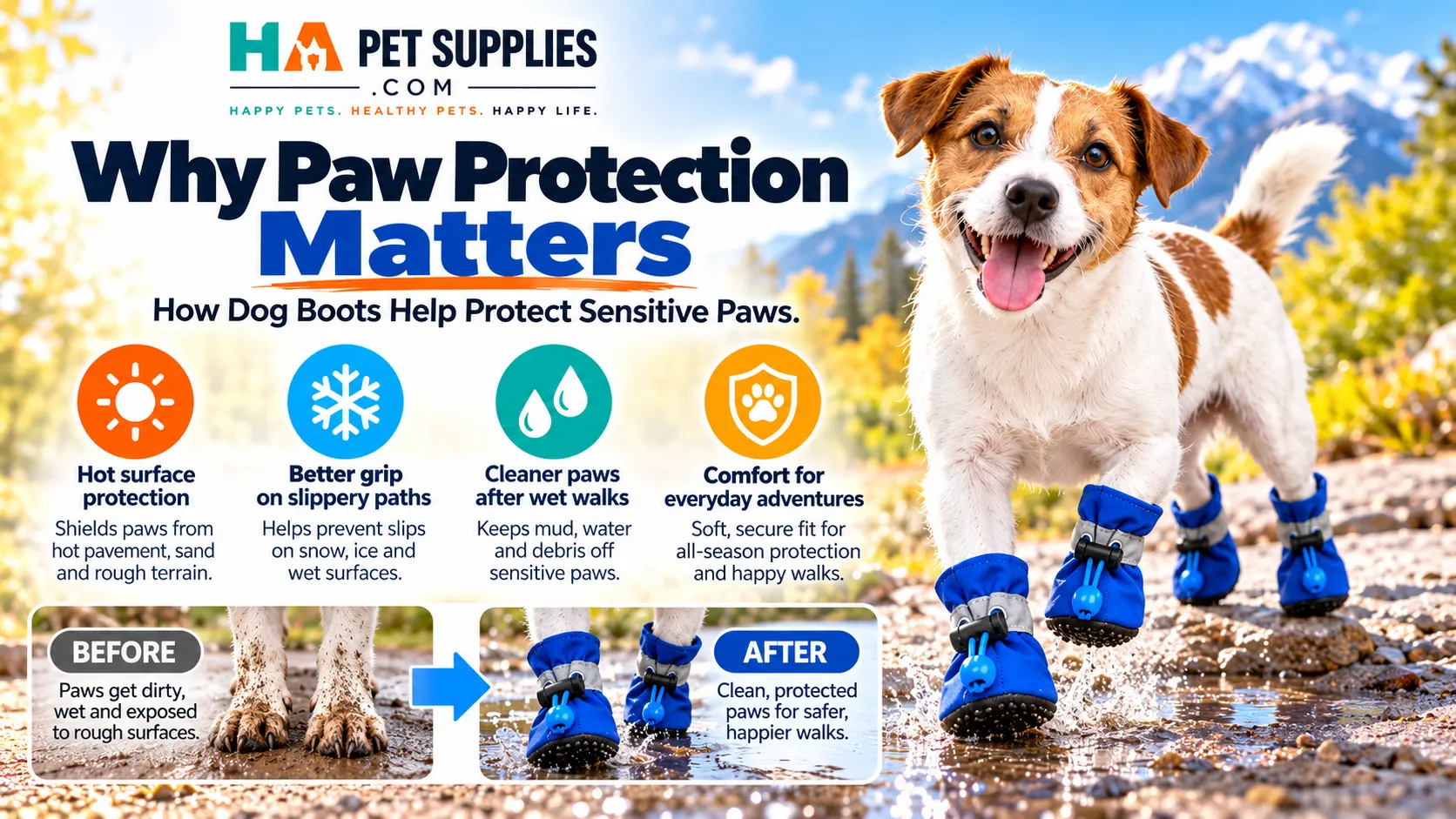
One common reason dog owners become dissatisfied with footwear is poor sizing. Boots that fall off can interrupt walks and create additional frustration.
Step 1: Prepare Measuring Materials
Use a piece of paper, pencil, and ruler. Choose a stable surface where your dog can stand comfortably.
Step 2: Measure While Standing
Allow your dog to stand with weight resting naturally on the paw. This helps account for toe spread.
Step 3: Mark the Widest Points
Identify the widest part of the paw and mark both sides. Measure the distance between the marks.
Step 4: Record Paw Length if Required
Some manufacturers require a separate length measurement. Follow their instructions carefully.
Step 5: Measure All Four Paws
Front and rear paws may differ in size. Do not assume one measurement applies to every foot.
Step 6: Compare With the Manufacturer’s Chart
Sizing labels differ between manufacturers. Use the specific product’s chart rather than relying on a universal size category.
Step 7: Test the Fit Indoors
Once the boots arrive, conduct a brief indoor trial. Observe how the dog stands and walks. Check for sliding, rotating, excessive pressure, or discomfort.
For detailed instructions, read our companion article: How to Measure Dog Paws for Boots and Keep Boots From Falling Off.
13. How to Train a Dog to Wear Boots
Some dogs begin walking normally in boots after a short introduction. Others require patient, gradual training. The goal is to help the dog become comfortable, not to force compliance.
Stage 1: Introduce the Boots
Place the footwear nearby and allow your dog to investigate. Reward calm behavior.
Stage 2: Practice Paw Handling
Touch your dog’s paws gently for brief periods. Provide rewards when the dog remains relaxed.
Stage 3: Try One Boot
Put one boot on for a short period, then remove it. Observe your dog’s reaction.
Stage 4: Add More Boots
Gradually introduce additional footwear. Avoid rushing the process.
Stage 5: Encourage Indoor Walking
Allow your dog to take a few voluntary steps on a secure indoor surface. Praise comfortable movement.
Stage 6: Begin Short Outdoor Practice
Choose a mild day and safe route. Start with a brief walk and inspect the boots.
Stage 7: Increase Activity Gradually
As your dog becomes more comfortable, increase the duration when appropriate. The AKC guide to helping dogs become comfortable with protective clothing recommends gradual introduction and positive reinforcement.
14. Daily Paw Protection Routine for Every Season
A consistent paw-care routine can be just as important as selecting the right footwear.
Before Walking
Check the weather. Inspect the walking surface. Examine your dog’s paws for injuries or irritation. Choose boots only when needed.
During Walking
Watch your dog’s behavior. Look for sudden hesitation, limping, or repeated paw lifting. Take breaks during longer activities.
After Walking
Remove boots promptly when they are no longer needed. Check for redness or rubbing. The AKC paw cleaning and care guide explains why inspecting paws after exposure to snow, mud, and other environmental materials is beneficial.
Summer Paw Routine
Plan walks during cooler periods. Check pavement temperature. Keep water available and monitor for overheating.
Winter Paw Routine
Consider ice, snow, road salt, and the dog’s cold tolerance. Use appropriate protective footwear when needed.
15. Common Dog Boot Mistakes to Avoid
Protective footwear can be useful, but several common mistakes reduce its benefits.
Mistake 1: Using Boots on Every Walk Without Considering the Environment
Not all dogs need boots every day. Use them when there is a clear reason.
Mistake 2: Assuming Boots Make Extreme Heat Safe
Boots do not protect against heatstroke. The safest option may be to avoid outdoor exercise.
Mistake 3: Buying Based Only on Appearance
Attractive colors do not guarantee a comfortable fit. Prioritize useful materials, correct sizing, and suitability for the intended activity.
Mistake 4: Choosing the Wrong Seasonal Design
Heavy winter boots may be inappropriate for warm-weather use. Lightweight summer boots may not provide enough protection for severe cold.
Mistake 5: Ignoring Paw Measurements
Boots that are too large may rotate or fall off. Tight boots may cause uncomfortable pressure.
Mistake 6: Leaving Wet Boots on Too Long
Trapped moisture can cause discomfort. Remove boots when protection is no longer necessary.
Mistake 7: Skipping Training
Many dogs require gradual familiarization. Forcing a dog to walk in unfamiliar footwear may create unnecessary stress.
Mistake 8: Ignoring Warning Signs
Persistent licking, redness, limping, or refusal to walk should not be ignored.
Mistake 9: Assuming Non-Slip Means Slip-Proof
Traction varies with the surface. Ice, polished stone, wet tiles, and loose gravel can remain hazardous.
Mistake 10: Using Boots Instead of Seeking Veterinary Care
Footwear is not a substitute for diagnosing injuries or mobility problems. Consult a veterinarian when your dog experiences unexplained or persistent symptoms.
16. Choosing HA Pet Supplies Dog Boots
If you have decided that your dog may benefit from protective footwear, the next step is comparing available products carefully. At HA Pet Supplies, we aim to provide useful product information so buyers can choose accessories suited to their pets’ needs.
You can explore our HA Pet Supplies dog boots product page to review the available design, sizing information, and purchasing details.
What Should You Check Before Buying?
Start by identifying the conditions your dog encounters most often. Do you regularly walk on rainy sidewalks? Are your winter routes exposed to road salt? Does your dog need protection against selected outdoor surfaces?
Why Choose HA Pet Supplies?
Through HA Pet Supplies, customers can explore protective footwear alongside other accessories in our dog supplies category. For additional purchasing options, visit the HA Pet Supplies shop.
Need a Product Quote?
If you have a purchasing inquiry that requires pricing information or additional assistance, you can request a quote from HA Pet Supplies. You can also reach our team through the HA Pet Supplies contact page.
17. Frequently Asked Questions About Dog Boots
Click each question to reveal the answer.
18. Final Paw Protection Checklist and Recommendation
Before your next walk, ask yourself a simple question: Is the ground safe and comfortable for my dog’s paws right now? This is more useful than assuming boots should always be worn or never be used.
- Check the weather. Consider temperature, humidity, precipitation, and the risk of extreme conditions.
- Inspect the walking surface. Look for heated pavement, ice, road salt, sharp debris, and slippery areas.
- Observe your dog’s comfort. Watch for limping, repeated paw lifting, or reluctance to move.
- Choose appropriate protection. Use boots when a suitable design may reduce an identifiable risk.
- Check the fit. Ensure the footwear stays secure without creating pressure.
- Plan safe activity. Adjust walking times, routes, and duration when environmental conditions are challenging.
- Inspect paws afterward. Remove debris, check for irritation, and clean or dry the paws when necessary.
Final Thoughts: Do Dogs Need Boots?
Dogs do not automatically need boots every time they step outside. For many healthy dogs, ordinary walking on safe surfaces is comfortable without protective footwear. However, when weather or terrain exposes paws to unnecessary hazards, an appropriately designed boot can become a valuable accessory.
The decision is not about whether every dog should wear shoes. It is about recognizing when additional protection may help your individual dog.
At the same time, the right choice may be to avoid the hazard entirely. A cooler walking time, a safer route, or a shorter outing can sometimes do more for your dog’s comfort than any accessory.
If you decide protective footwear is appropriate, begin with accurate paw measurements and compare the available features carefully. Explore the HA Pet Supplies dog boots product page to review the footwear options and product information.
For more guidance on selecting practical pet accessories, visit the HA Pet Supplies blog or explore the HA Pet Supplies homepage.
Protect their paws when necessary, respect their comfort, and choose safer adventures together.